Lower back pain affects many individuals, often resulting from poor posture, stress, or sedentary lifestyles. Yoga offers a collection of effective stretches that can help alleviate this discomfort. Incorporating specific yoga stretches into a daily routine can significantly ease lower back pain and improve overall health.
Practising these stretches not only targets the muscles around the lower back but also promotes flexibility and relaxation. Simple poses, such as Child’s Pose and Cat-Cow stretch, can provide immediate relief from tension. As individuals engage in these yoga techniques, they may find a reduction in pain and an enhancement in their overall sense of well-being.
In addition to physical benefits, yoga encourages mindfulness, which can be a crucial element in managing pain. By focusing on breath and movement, individuals become more attuned to their bodies, facilitating a deeper understanding of their pain triggers. Integrating yoga into one’s lifestyle can be a proactive step toward a healthier back and improved quality of life.
Understanding Lower Back Pain and Its Causes
Lower back pain can stem from various factors, including muscle tension, poor posture, and reduced mobility. Identifying these causes is vital for effective pain management and recovery.
Common Causes of Lower Back Pain
Lower back pain often results from everyday activities and lifestyle choices. Muscle strains from lifting heavy objects, ligament sprains from sudden, awkward movements, or overexertion during exercise are common causes.
Herniated discs, where spinal discs bulge and press on nerves, can lead to significant discomfort. Furthermore, conditions like arthritis and sciatica contribute to chronic pain in the lower back.
Other factors may include obesity, lack of physical activity, and even stress. These elements can exacerbate muscle tension, making the pain more persistent.
Given these complexities, seeking professional advice is essential for safe and effective management. For instance, if an individual is experiencing pain or suspects conditions such as a herniated disc or chronic pain syndromes, consulting a reputable chiropractor or healthcare professional before starting yoga or any new exercise regimen is strongly recommended. This ensures that the care plan is tailored and safe.
How Poor Posture Affects the Lower Back
Poor posture places undue stress on the lower back. When an individual slouches or sits incorrectly, the spine can become misaligned. This misalignment can lead to muscle fatigue and pain.
Sitting for long periods—common in office jobs—often results in tight hip flexors and weakened core muscles. This situation places additional pressure on the lower back.
Maintaining a neutral spine position is essential. Encouraging proper desk ergonomics and taking breaks to stretch can significantly help alleviate discomfort caused by poor posture. Additionally, incorporating exercises and techniques focused on improving neck posture can help relieve tension, strengthen supporting muscles, and reduce lower back strain. To support this, one can even turn to resources like bestforwardheadposturefix.com, which can offer structured guidance and step-by-step routines that help improve neck alignment, strengthen supporting muscles, and promote lasting improvements in overall posture.
The Role of Mobility and Flexibility
Mobility and flexibility are crucial for a healthy back. Limited mobility can result from sedentary lifestyles or muscle imbalances.
Regular stretching and mobility exercises enhance the flexibility of muscles, reducing stiffness. This flexibility can lead to an increased range of motion and improved posture.
Engaging in activities like yoga or Pilates can be particularly beneficial. These practices focus on stretching, strengthening, and body awareness, which contribute positively to back health.
When to Seek Professional Advice
It is essential to know when professional help may be necessary. If lower back pain persists for more than a few weeks, it is prudent to consult a medical professional.
Chronic pain can indicate underlying conditions that require tailored treatment. A physical therapist can assess the cause of discomfort and recommend appropriate interventions, including explaining the difference between shockwave and ultrasound therapy to determine which approach may be more effective for managing lower back pain.
Additionally, if symptoms include numbness, tingling, or severe pain radiating down the legs, immediate medical assessment is crucial. Early intervention can help prevent further complications and promote faster recovery.
Key Yoga Stretches to Ease Lower Back Pain
Incorporating specific yoga stretches can be beneficial for easing lower back pain. The following poses focus on gentle movements and stretches that target the lower back, promoting flexibility and relief.
Cat-Cow Pose (Marjaryasana-Bitilasana)
The Cat-Cow Pose flows between two positions, promoting spinal flexibility. Starting on all fours, the person arches their back while inhaling (Cow Pose) and rounds it while exhaling (Cat Pose). This gentle movement helps to alleviate tension in the spine and pelvis.
- Benefits: Improves posture, increases spinal mobility, and stretches the back and neck.
- Tips: Keep the hands under the shoulders and knees under the hips. Move slowly with the breath to enhance relaxation.
Child’s Pose (Balasana)
Child’s Pose is a resting position that stretches the back and hips effectively. The individual kneels on the floor, sitting back on the heels, and then reaches forward to lower the chest, extending the arms. This creates a gentle stretch along the spine.
- Benefits: Relieves tension in the back, eases fatigue, and promotes relaxation.
- Tips: Use a cushion between the thighs and calves for added comfort. Focus on deep breathing to enhance the calming effects.
Cobra Pose (Bhujangasana)
The Cobra Pose opens up the chest and stretches the spinal area. Lying face down, the person places their hands under their shoulders and gently lifts the chest while keeping the pelvis grounded. This pose helps strengthen the back muscles.
- Benefits: Increases spinal flexibility, strengthens the lower back, and can alleviate lower back pain.
- Tips: Avoid straining the lower back by engaging the core and hips. Only lift as high as is comfortable.
Standing Forward Bend (Uttanasana)
This standing pose offers a deep stretch for the back, hamstrings, and calves. From a standing position, the individual bends forward at the hips, letting the upper body hang toward the floor. This pose gently decompresses the spine.
- Benefits: Relieves tension in the back, improves circulation, and stretches the entire posterior chain.
- Tips: Keep the knees slightly bent if needed and allow the head to hang heavy for added relaxation. Breathe deeply to enhance the stretch.
Additional Yoga Poses and Techniques for Pain Relief
Incorporating specific yoga poses and breathwork can significantly aid in alleviating lower back pain. Each pose targets different muscle groups and promotes relaxation, contributing to overall pain relief. The following poses focus on strengthening and stretching key areas, alongside a breathing technique that enhances relaxation.
Locust Pose (Salabhasana)
The Locust Pose is a powerful asana that strengthens the back muscles and improves spinal alignment. To perform it, lie face down on a yoga mat with your arms alongside your body, palms facing up.
- Inhale deeply and lift your head, chest, and legs off the ground simultaneously.
- Keep your arms close to your body and engage your back muscles.
- Hold the pose for 15 to 30 seconds while breathing steadily.
This pose stretches the spine, opens the chest, and improves circulation. It targets the lower back, glutes, and hamstrings, helping to relieve tension and discomfort.
Bridge Pose (Setu Bandhasana)
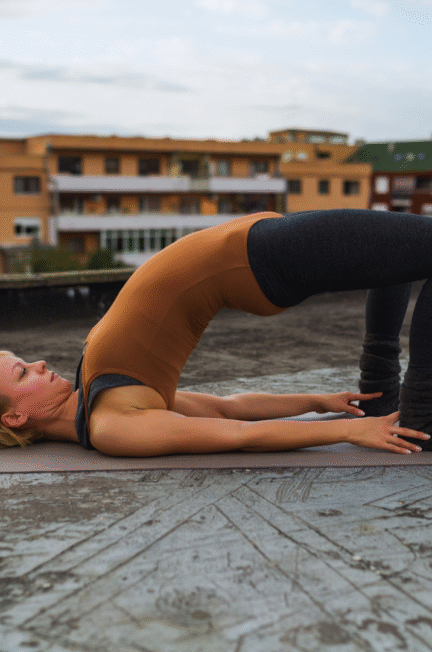
Bridge Pose is excellent for stretching the spine and relieving lower back pain. Start by lying on your back on a yoga mat with your knees bent and feet flat on the floor, hip-width apart.
- Press your feet into the mat while lifting your hips toward the ceiling.
- Clasp your hands beneath your back and hold the position for 30 seconds.
- Focus on maintaining a gentle arch in your back.
This pose strengthens the back, glutes, and thighs while stretching the chest and spine. It can relieve stress and calm the mind, further aiding in pain management.
Bow Pose (Dhanurasana)
Bow Pose engages the entire back and opens up the chest, promoting flexibility and strength. To perform this pose, lie face down on a yoga mat, and bend your knees, bringing your heels towards your glutes.
- Reach back and grab your ankles with your hands.
- Inhale and lift your chest and thighs off the floor simultaneously.
- Hold for 15 to 30 seconds, breathing deeply.
This asana stretches the front of the body while toning the back. It helps improve posture and alleviate tension in the lower back by promoting better spinal alignment.
Diaphragmatic Breathing in Yoga Practice
Diaphragmatic breathing, or abdominal breathing, is a vital technique in yoga that aids in pain relief. This method of breathing brings awareness to the breath, promoting relaxation.
- Find a comfortable seated position or lie on your back with a cushion under your head.
- Place one hand on your belly and the other on your chest.
- Inhale deeply through the nose, allowing your belly to rise, and exhale slowly through the mouth.
This technique relaxes the mind and body, reduces muscle tension, and enhances oxygen flow. Practising diaphragmatic breathing during yoga can further support the body in managing lower back pain effectively.
Tips for Safe and Effective Yoga Practice at Home
Creating a safe and effective home yoga practice requires attention to the environment, an awareness of the body, and a thoughtful approach to integrating yoga into daily routines. The following tips focus on key aspects to enhance the experience.
Preparing Your Space and Equipment
An appropriate space contributes significantly to the quality of a yoga session. Choose a quiet, clutter-free area with enough room to move freely. A non-slip yoga mat is essential for stability, while props like blocks, straps, or cushions can enhance poses, particularly in styles like Iyengar yoga, which emphasises alignment.
Ensure that the temperature is comfortable, neither too hot nor too cold. Soft lighting and calming music can create an inviting atmosphere. Include items that promote relaxation, such as scented candles or essential oils, to enhance the experience further. Practising in a designated space can help signal the mind that it’s time to focus on yoga.
Listening to Your Body and Modifying Poses
Yoga is about tuning into one’s body rather than pushing through discomfort. Individuals should pay close attention to physical sensations during practice. If a pose causes pain or strain, adjustments are crucial. Modifications may include using props or opting for gentler variations of certain postures. Common poses beneficial for lower back pain relief include Child’s Pose and Cat-Cow. Practitioners should prioritise breath awareness, using it to guide movements and transitions.
At the same time, persistent pain should never be ignored during yoga practice. If someone continues to experience ongoing discomfort or a sharp sensation of pain while performing certain poses, it may indicate an underlying spinal or nerve-related issue rather than normal muscle tension.
In such situations, consulting an expert specialising in spinal decompression NJ (or elsewhere) can help ensure that the condition is properly evaluated and managed. A qualified professional can also recommend appropriate treatment options while helping one understand which movements and exercises are safe to continue during recovery.
Integrating Yoga with Other Physical Activities
Combining yoga with other forms of physical activity can enhance overall well-being. Activities such as walking or swimming can complement a yoga routine by promoting cardiovascular health and keeping the body active. For example, a brisk walk can provide a warm-up or cool-down before or after yoga sessions.
Moreover, utilising yoga techniques can improve the performance of other physical activities. Enhanced flexibility gained from yoga can lead to better mobility in sports or daily movements. Practitioners should seek a balance that allows yoga to support overall fitness without leading to burnout.
Building a Sustainable Routine
Creating a consistent yoga routine requires planning and flexibility. Individuals should aim to practise regularly, even if it’s just for brief sessions. Short, daily practices can be more effective than infrequent, longer sessions. Setting achievable goals, such as specific stretches for lower back pain, can guide progress.
Incorporating a variety of yoga types, such as restorative or dynamic styles, can keep the practice engaging. Journaling experiences can provide insight into which poses bring the most relief or relaxation. A sustainable routine emerges when individuals connect their practice with personal wellness goals and adapt as needed.