Stress is a common challenge many face in today’s fast-paced world, and effective methods for managing it are essential. Yoga breathing exercises stand out as a proven technique to promote relaxation and mental clarity. These exercises can significantly reduce stress by enhancing oxygen flow and calming the mind.
Incorporating specific breathing techniques into daily routines can lead to a noticeable decrease in anxiety levels. Techniques like diaphragmatic breathing and alternate nostril breathing not only centre the mind but also anchor a person in the present moment. As individuals explore these practices, they may find that stress is not as overwhelming and that inner peace is more achievable.
Understanding the connection between breath and stress relief empowers individuals to take control of their well-being. By focusing on the breath, one can create a sanctuary of calm amidst daily pressures. Adopting these yoga breathing exercises offers a simple yet profound way to enhance overall quality of life.
The Science Behind Yoga Breathing for Stress Relief
Yoga breathing exercises, known as pranayama, have a profound impact on stress management. These techniques engage the body’s physiological processes, leading to a state of calm and relaxation. Understanding the mechanisms at play can enhance the effectiveness of these practices.
How Breathing Influences the Nervous System
Breathing exercises activate the parasympathetic nervous system, responsible for relaxation. This system helps lower heart rate and blood pressure, countering the body’s stress response. When one slows their breath, it sends signals to the brain to relax, effectively reducing cortisol levels.
In contrast, rapid or shallow breathing can stimulate the sympathetic system, triggering stress responses. Controlled breathing encourages a state of calm and highlights the importance of breath in regulating emotional and physical health.
The Role of Breathwork in Managing Stress
Breathwork incorporates techniques that directly influence emotional states. For example, deep, rhythmic breaths can alleviate anxiety. Regular practice can help individuals to develop resilience against stressors.
Yoga breathing helps to create a mindful focus. This focus diverts attention from stressors, allowing for mental clarity. Techniques such as diaphragmatic breathing and alternate nostril breathing foster relaxation and can improve overall well-being.
Why Yoga Breathing Calms the Mind
Yoga breathing facilitates mindfulness, a crucial aspect of reducing anxiety. By concentrating on each breath, practitioners can gain awareness of their thoughts and emotions. This process cultivates a sense of presence, reducing feelings of overwhelm.
Additionally, conscious breathing enhances the availability of oxygen to the brain. Increased oxygenation contributes to improved cognitive function and emotional stability. The combination of mindfulness and physiological changes creates an effective method for achieving mental serenity.
Essential Yoga Breathing Techniques for Stress Reduction
Effective breathing techniques can significantly alleviate stress. These techniques promote relaxation, enhance focus, and foster a sense of calm. Below are four essential yoga breathing exercises tailored for stress reduction.
4-4-8 Breathing: Technique and Benefits
The 4-4-8 breathing technique is simple yet powerful. Practitioners begin by inhaling through the nose for a count of four. They then hold their breath for another count of four before exhaling through the mouth for eight counts.
This rhythm encourages deeper relaxation and can help lower anxiety. It activates the parasympathetic nervous system, promoting a calm state. Regular practice can lead to improved sleep quality and mental clarity.
Alternate Nostril Breathing: Practice and Effects
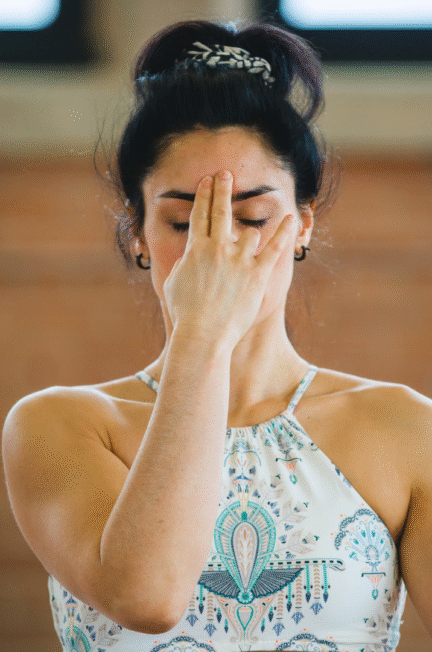
Alternate nostril breathing, known as Nadi Shodhana, balances the body’s energy channels. To perform this technique, one should sit comfortably and use the right thumb to close the right nostril. Inhale deeply through the left nostril for a count of four, then close the left nostril with the ring finger and exhale through the right nostril.
This process is repeated, alternating nostrils with each breath. The practice helps to balance both hemispheres of the brain, reducing stress and promoting tranquillity. Many find it enhances focus and mental clarity.
Diaphragmatic Breathing Explained
Diaphragmatic breathing, or abdominal breathing, is often regarded as one of the most effective stress relief techniques. To practice, one should place a hand on the abdomen and another on the chest. As one inhales deeply through the nose, the abdomen should rise while the chest remains relatively still.
This type of breathing engages the diaphragm fully, allowing for improved oxygen exchange and relaxation. It reduces the production of stress hormones and promotes a sense of well-being. Regular practice can lead to reduced anxiety and enhanced emotional resilience.
Ujjayi Breath for Enhanced Focus
Ujjayi breath, often referred to as “victorious breath,” is a technique that enhances focus during yoga practices. To perform this technique, one should inhale deeply through the nose while slightly constricting the throat, creating a gentle sound similar to ocean waves.
As one exhales, the same constriction is maintained. This rhythmic breathing helps in cultivating concentration and can deeply centre the mind. Ujjayi breath is particularly effective during challenging poses, allowing for sustained focus and calm amidst physical exertion.
Practical Tips for Integrating Yoga Breathing Into Daily Life
Incorporating yoga breathing exercises into daily routines can effectively reduce stress and promote relaxation. The following methods provide practical ways to make these techniques a regular part of life.
Building a Regular Breathing Practice
Establishing a consistent breathing practice is fundamental to experiencing its benefits. Individuals can start by setting aside just five minutes each day. This dedicated time can be in the morning, during lunch breaks, or before bedtime.
A simple technique is diaphragmatic breathing. To practice, one can sit or lie down comfortably, placing a hand on the stomach. Inhale deeply through the nose, allowing the abdomen to rise. Then, exhale slowly through the mouth. Repeating this process can help relax the body and mind.
Using reminders, such as phone alerts, can encourage adherence to the practice. Gradually, individuals can increase the duration as they become more comfortable with the exercises.
Combining Breathwork with Yoga Postures
Integrating breathwork with physical yoga postures enhances the effectiveness of both practices. Asanas such as Downward Dog or Child’s Pose pair well with specific breathing techniques. For example, inhaling deeply when transitioning into a pose and exhaling while holding it helps to synchronise movement with breath.
Creating a sequence allows for a more immersive experience. Individuals can start with gentle stretches to warm up, then proceed to hold poses while focusing on their breath. This combined approach not only promotes relaxation but also helps manage stress by enhancing mindfulness.
Yoga classes often incorporate these elements. Joining a local class provides guidance and structure for individuals looking to develop their skills. For those seeking to master these techniques and guide others effectively, comprehensive training to become a certified breathwork practitioner can offer the necessary depth and professional development.
Using Breathing Techniques in Stressful Situations
In moments of stress, specific breathing techniques can be employed to regain calm. The 4-7-8 technique is effective: inhale through the nose for four seconds, hold the breath for seven seconds, and exhale through the mouth for eight seconds. This practice slows the heart rate and induces relaxation.
During stressful moments, such as before a presentation or during a difficult conversation, finding a quiet space, if possible, can enhance the experience. Practising breath awareness helps in recognising the body’s stress signals and responding accordingly.
Additionally, utilising mindful breathing while engaging in everyday tasks, such as walking or commuting, can promote a sense of calm. Doing so allows individuals to manage stress more effectively throughout their day.
Measuring Progress and Enhancing Long-Term Stress Relief
Regular practice of yoga breathing exercises can lead to measurable improvements in calm and focus over time. It’s essential to track these changes to enhance the long-term benefits of stress relief techniques.
Tracking Calm and Focus Improvements
To assess progress, individuals can use various tools. Journals can be helpful for recording daily feelings of calm and focus before and after practising breathing exercises. This creates a clear picture of improvements.
Additionally, mindfulness apps often provide features for tracking emotional states. These can help quantify changes over time, displaying statistics about calmness and focus levels.
By comparing these metrics weekly or monthly, individuals can identify patterns. Increased scores may indicate that the breathing exercises are effective. If progress plateaus, it may signal a need for technique adjustments.
Adjusting Techniques for Continued Benefits
As individuals become more familiar with breathing exercises, modifying techniques can maintain their effectiveness. For instance, exploring different breathing patterns can introduce fresh challenges and prevent routine fatigue.
Incorporating new settings—like different environments where they practise—can enhance focus. Practising in natural surroundings might deepen the relaxation effect.
Lastly, adding variety such as visualisation or guided sessions can keep the practice engaging. Experimenting with different durations and intensities allows for personalised stress relief, catering to evolving needs and helping sustain progress over time.