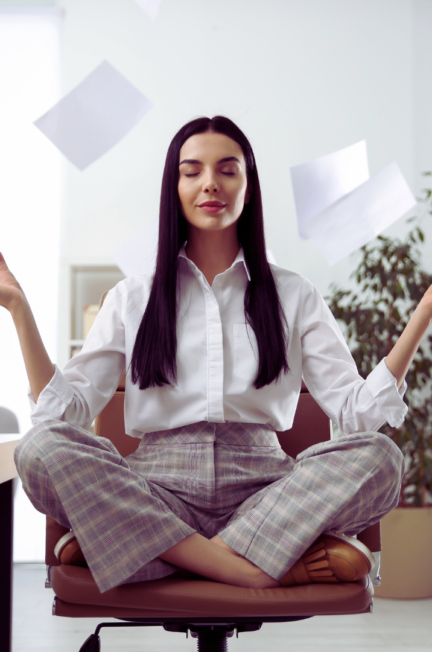
Finding balance in a fast-paced world can often feel overwhelming. Incorporating relaxation techniques into daily routines can significantly alleviate stress and improve mental health. Simple strategies such as deep breathing, mindfulness meditation, and progressive muscle relaxation are effective methods to reduce stress and enhance overall health.
Practising these techniques allows individuals to take a step back from their hectic lives and focus on their well-being. Regular use of relaxation methods not only fosters a sense of calm but also leads to long-term mental resilience. Exploring various approaches can empower individuals to find what works best for them.
By integrating these practices, people can cultivate a more peaceful state of mind, enabling better-coping mechanisms in challenging situations. Building these habits into everyday life contributes to sustained improvements in both mental and physical health.
Understanding Relaxation Techniques
Relaxation techniques play a crucial role in enhancing mental health and well-being. They encompass various methods supported by scientific research, contributing positively to stress management.
The Science behind Relaxation
The relaxation response is a physiological state that counters stress. When engaged in relaxation techniques, the body’s stress hormones decrease. Studies indicate that mindfulness practices, such as meditation and deep breathing, can cause changes in brain patterns, reducing anxiety and enhancing emotional regulation.
Research advancements in neurobiology show that consistent practice can lead to long-lasting changes in brain structure. For instance, regular meditation may increase grey matter density in areas associated with emotional regulation, allowing for improved stress resilience. Engaging in relaxation also aids in the reduction of physical symptoms of stress, such as high blood pressure.
Types of Relaxation Methods
There are numerous relaxation methods, each varying in approach and effectiveness. Common techniques include:
- Meditation: Involves focusing the mind to achieve a state of calm.
- Deep Breathing: Encourages awareness of breath to promote relaxation.
- Progressive Muscle Relaxation: Involves tensing and relaxing muscle groups.
- Mindfulness Practices: Focuses on being present in the moment without judgment.
Each method allows individuals to tap into their body’s ability to relax, fostering a sense of well-being. Engaging regularly with these techniques aids in managing stress and enhances overall mental health.
Relaxation and Mental Health
Research indicates a strong connection between relaxation techniques and improved mental health outcomes. Regular practice can lead to reduced symptoms of anxiety and depression. Those who integrate relaxation into their routines often report better emotional regulation and heightened awareness.
Additionally, relaxation methods can serve as therapeutic tools within various treatments for mental health conditions. Techniques like mindfulness are increasingly included in therapy settings, offering clients practical ways to cope with stressors. Current health topics emphasise the importance of holistic approaches to mental wellness, highlighting the benefits of integrating relaxation into daily life.
Practical Relaxation Exercises
Relaxation exercises can significantly reduce stress and enhance well-being. Key techniques include progressive muscle relaxation, various breathing methods, mindfulness meditation paired with guided imagery, and gentle forms of exercise like yoga and tai chi.
Progressive Muscle Relaxation
Progressive muscle relaxation (PMR) involves systematically tensing and then relaxing each muscle group in the body. This approach can help individuals become more aware of physical tension and stress.
To practise PMR, one should start at the feet and work upwards. They can tense the muscles for about five seconds, then release and focus on the sensation of relaxation. Common muscle groups to target include the calves, thighs, abdomen, hands, and face. Doing this technique for 10 to 15 minutes can lead to a profound sense of relaxation.
Breathing Techniques
Deep breathing techniques are essential for managing stress. Focusing on breath flow can create a calming effect on the mind and body. One effective method is diaphragmatic breathing, where the individual breathes in through the nose, allowing the abdomen to rise.
When exhaling slowly through pursed lips, they should feel the abdomen fall. A typical pattern includes a count of four for inhalation, a count of seven to hold the breath, and a count of eight for exhalation. Practising this for five to ten minutes can help lower anxiety levels.
Mindfulness Meditation and Guided Imagery
Mindfulness meditation encourages individuals to focus on the present moment without judgment. This practice enhances self-awareness and can lead to reduced stress.
Guided imagery complements mindfulness by using mental visualisation to foster relaxation. A person can envision a peaceful scene, such as a beach or a serene forest, allowing for a mental escape. They may spend 10 to 20 minutes in this practice, engaging all their senses to strengthen the experience and amplify stress relief.
Gentle Exercise for Stress Relief
Gentle exercises like tai chi and yoga offer both physical and mental benefits. These forms of movement focus on fluidity, balance, and breath, which are vital for stress management.
Tai chi involves slow, deliberate movements that enhance flexibility and promote relaxation. Yoga combines physical postures, breath control, and meditation, making it an excellent tool for reducing tension. Practising these exercises for 30 minutes a few times a week can lead to improved overall well-being and increased resilience to stress. Furthermore, complement these exercises with other relaxation techniques such as massage, to improve the routine. Consider visiting a local massage spa, or search for services like Amy’s Mobile Massage Kauai to arrange a session at home. Combining these practices together can help in improving your overall mental and physical well-being.
Incorporating Relaxation into Your Daily Routine
Integrating relaxation into daily life can significantly improve well-being. Focusing on consistent habits, environmental influences, and targeted techniques can help foster a more relaxed state.
Creating a Relaxation Habit
Establishing a routine is crucial for effective relaxation. Individuals should aim to allocate specific times each day for relaxation, making it a priority. Setting aside 10-15 minutes for mindfulness or deep breathing can yield significant benefits.
To make this a habit, one should consider using reminders or scheduling it into their calendar. Creating a relaxation checklist can also be beneficial. Techniques might include:
- Mindful breathing
- Guided imagery
- Stretching exercises
Regularly repeating these practices can embed them into one’s daily routine, fostering a sense of calm.
Stress-Relief Foods to Incorporate into a Diet
The food consumed plays a crucial role in influencing relaxation, though it is often overlooked. Certain foods and beverages can have a calming effect on the body and mind and can promote a sense of relaxation.
For example, foods rich in magnesium, such as leafy greens, nuts, and seeds, are known to help reduce stress and support muscle relaxation. Similarly, consuming foods high in omega-3 fatty acids, like salmon or flaxseeds, can help regulate mood and reduce anxiety.
Herbal teas, like chamomile or valerian root, are commonly consumed for their natural calming properties, promoting a more restful state. Even cannabis leaves or THCa Flower in Kansas, or elsewhere, when added to smoothies or sprinkled on salads, can further enhance relaxation and contribute to overall wellness.
The right balance of nutrients can positively impact the body’s response to stress, enhancing relaxation and promoting overall well-being.
Environmental Factors and Relaxation
The surrounding environment plays a vital role in promoting relaxation. Green spaces, such as parks or gardens, can enhance feelings of tranquillity. Spending time outdoors, even briefly, can reduce stress and improve mood.
Additionally, creating a calming atmosphere indoors can aid relaxation. Consider using soft lighting, comfortable seating, and calming colours. Incorporating elements like plants or ambient music can further encourage a peaceful setting. Indoor air quality is another key factor often overlooked-exploring options for maintaining clean and healthy indoor environments, such as Air Quality Services in Baltimore, MD (or another local area), can support a more restful space, especially for those who spend long hours inside.
Individuals should assess their environment and make adjustments that promote a sense of calm. Simple changes can lead to a more relaxing home or workspace. One effective way you might do this is by combining elements of relaxation from indoors – such as a warm bath, with outdoor spaces that allow you to get some fresh air. This could be as simple as investing in a cedar electric hot tub of a suitable size for your garden. This can help give you a place to unwind and disconnect from your busy day, reducing your stress levels and promoting better sleep.
Relaxation Techniques for Specific Situations
Certain situations can trigger stress or anxiety, necessitating targeted relaxation techniques. For example, social anxiety may require specific strategies to manage anticipatory stress. Techniques like breathing exercises before social interactions can be effective.
In high-pressure moments, consider calming circles. This involves simple deep breathing: inhaling for four counts, holding for four counts, and exhaling for four counts. Repeating this can mitigate immediate stress.
Finding personalised techniques helps. Whether utilising self-compassion exercises or employing grounding methods during overwhelming situations, mastering specific strategies can empower individuals to handle stress more effectively.
Health Information and Privacy
Managing health information requires careful attention to privacy. Protected Health Information (PHI) includes any data that can identify an individual, such as medical history, treatment plans, and personal details.
Health tips can often be shared through various means, including email communications. It is essential for healthcare providers to follow strict privacy practices when handling electronic messages to protect sensitive information.
Mayo Clinic emphasises the importance of secure communication methods. Health professionals should implement secure platforms for sending and receiving health information to minimise risks.
Patients have rights regarding their health information. They can request access to their records and receive explanations about how their data is used. Understanding these rights fosters trust between patients and providers.
In summary, protecting health information is crucial for both individuals and healthcare organisations. Implementing rigorous privacy measures helps ensure that personal data remains confidential and secure.