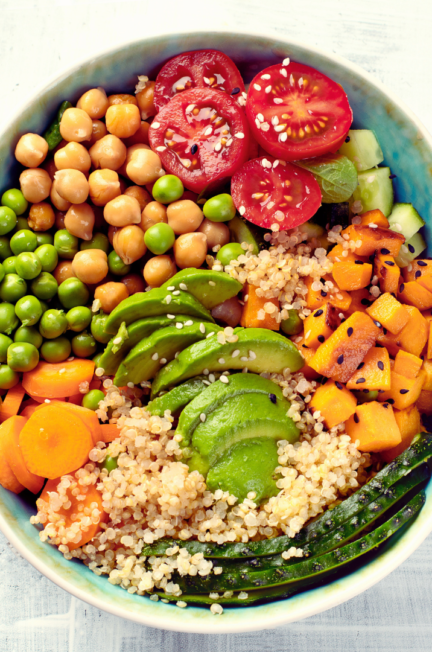
The choice to go vegan is a significant lifestyle change that can be both rewarding and challenging. To successfully transition to a vegan diet, it’s crucial to educate oneself about plant-based nutrition, find suitable alternatives to favourite foods, and embrace the benefits of a compassionate lifestyle. Understanding the motivations behind veganism, whether for health, environmental concerns, or animal rights, can provide essential guidance throughout this journey.
Many individuals start their vegan journey with a sense of enthusiasm and curiosity. They often seek out resources, communities, and recipes that inspire new culinary experiences. This support network can be vital in maintaining motivation and overcoming common obstacles that arise during the transition.
Adopting a vegan lifestyle requires planning and dedication but offers numerous benefits. Engaging with the broader vegan community can enhance the experience and provide helpful insights into meal preparation, dining out, and maintaining balanced nutrition. By approaching this change with an open mind and a willingness to learn, anyone can thrive on a vegan diet.
Understanding Veganism and Nutrition
Veganism focuses on a plant-based diet that excludes all animal products. It is essential to understand how to meet nutritional needs through various foods and supplements to maintain a balanced and healthy lifestyle.
Nutrition Overview
A well-planned vegan diet can provide adequate nutrition with a variety of foods. It emphasises fruits, vegetables, whole grains, legumes, nuts, and seeds, all rich in essential nutrients. Many of these foods offer antioxidants and healthy fats necessary for optimal health.
Nutritional needs may change depending on factors such as age, sex, and physical activity levels. Ensuring a diverse diet helps in gaining a wide range of vitamins and minerals, which is crucial in avoiding deficiencies.
Key Nutrients in a Vegan Diet
Certain nutrients require careful attention within a vegan diet. These include:
- Vitamin B12: Essential for nerve function and blood cell production. It is primarily found in animal products. Fortified foods or supplements are necessary for vegans.
- Iron: Vital for transporting oxygen in the blood. Plant sources include lentils, chickpeas, and fortified cereals. Pairing them with vitamin C-rich foods enhances absorption.
- Vitamin D: Important for bone health. Sun exposure is a natural source. Vegans may consider fortified foods or supplements, especially during winter months.
- Omega-3 Fatty Acids: Important for heart health, with ALA being the primary source in plant-based diets. Chia seeds and flaxseeds are excellent options. EPA and DHA can be obtained through algae supplements.
Vegan Sources of Protein
Meeting protein needs is essential for everyone, including those on a vegan diet. Quality vegan protein sources include:
- Legumes: Beans, lentils, and peas are rich in protein and fibre.
- Nuts and Seeds: Almonds, peanuts, chia seeds, and hemp seeds contribute protein and healthy fats.
- Whole Grains: Quinoa, brown rice, and oats provide both protein and carbohydrates.
- Soy Products: Tofu, tempeh, and edamame are complete protein sources containing all essential amino acids.
By including a variety of these foods, individuals can fulfil their protein requirements effectively while maintaining a balanced and nutritious vegan diet.
Plant-Based Food and Shopping Guidance
Transitioning to a plant-based diet involves understanding food substitutes, meal planning, and effective shopping strategies. Each aspect plays a crucial role in making the journey enjoyable and sustainable.
Vegan Substitutes and Alternatives
When going vegan, finding the right substitutes for familiar foods can ease the transition. Consider these common alternatives:
- Vegan Cheese: Made from nuts, soy, or coconut, it provides the creamy texture and flavour of traditional cheese.
- Tofu and Tempeh: These soy products are excellent protein sources and can absorb flavours well, making them versatile in many recipes.
- Seitan: A wheat-based protein, seitan mimics the texture of meat, ideal for those craving that bite.
- Plant-based milk: Options like soya milk and almond milk can replace cow’s milk in most situations.
- Nutritional Yeast: This adds a cheesy flavour to dishes and is rich in B vitamins.
Experimenting with these alternatives can help discover new favourites while ensuring nutritional needs are met.
Planning Your Vegan Meals
Effective meal planning is essential for a balanced vegan diet. Start by considering key food groups:
- Legumes: Beans, lentils, and chickpeas are rich in protein and fibre.
- Nuts and Seeds: They add healthy fats and protein. Options like almonds, chia seeds, and flaxseeds are beneficial.
- Whole Grains: Quinoa, brown rice, and oats provide energy and additional nutrients.
Creating a weekly meal plan simplifies shopping. Include breakfast, lunch, dinner, and snacks to maintain variety. Incorporating recipes that use seasonal vegetables can enhance meals while keeping costs down. Using apps or planners can help track these meals.
Shopping for Vegan Products
When shopping for vegan products, knowing how to read labels is essential. Look for certifications such as “vegan” to ensure compliance. Familiarise with common non-vegan ingredients like gelatin, honey, and certain colourings.
Make a detailed shopping list focusing on the following categories:
- Fresh produce: Choose a variety of fruits and vegetables for different nutrients.
- Packaged vegan foods: Explore plant-based options in supermarkets, paying attention to ingredients.
- Health stores: These often carry speciality items like nutritional yeast and vegan cheeses.
Utilising bulk bins for grains and legumes can reduce costs. Always check for seasonal sales on fresh produce to save money while eating healthily.
Adopting the Vegan Lifestyle
Transitioning to a vegan lifestyle involves practical steps and community support. Both aspects are essential for achieving a sustainable and enjoyable vegan experience.
Practical Tips for Going Vegan
To start going vegan, creating a structured vegan meal plan is crucial. This plan should include a variety of fruits, vegetables, whole grains, legumes, and nuts. Aiming for balanced meals helps ensure nutritional needs are met.
Eating out can be challenging. Researching vegan options or calling ahead helps avoid inconvenience. Many restaurants now offer vegan items, making it easier to dine out.
Getting involved in local vegan groups or online communities can provide crucial support. These groups often share recipes, meal ideas, and budget tips for those adhering to a vegan diet. Apps like the vegGUIDE app can help locate vegan restaurants and stores.
Discovering Vegan Society and Community
Joining a vegan society provides access to valuable resources. Many societies offer workshops, cooking classes, and events designed to educate newcomers about the vegan lifestyle.
Community involvement can also foster connection. Local vegan groups are great for meeting like-minded individuals. Attending events allows individuals to share experiences and tips related to living vegan.
Individuals can read about “Vegan and Thriving” recipes to discover new meal ideas that are simple and affordable. Engaging with these communities not only enriches one’s knowledge but also helps to lower their carbon footprint through collective efforts.
Beyond Diet: Veganism in Everyday Life
Veganism extends far beyond dietary choices, encompassing lifestyle decisions that promote ethical consumption and animal welfare. Individuals adopting a vegan lifestyle often reassess their everyday choices, including fashion, consumer products, and ethical considerations.
Vegan Fashion and Consumer Choices
Vegan fashion avoids materials derived from animals, such as leather, wool, and silk. Many brands now offer stylish, cruelty-free alternatives made from sustainable materials like organic cotton, hemp, and synthetic fibres. Consumers can support vegan brands by researching company practices and choosing items labelled as vegan.
Shopping sustainably also entails being mindful of packaging. Opting for products with minimal or biodegradable packaging reduces environmental impact. Thrift shops and second-hand clothing stores are also great options, promoting recycling and reducing waste.
Engaging with the vegan community through social media and blogs can provide valuable insights into vegan brands and events. This helps shoppers make informed choices while connecting with like-minded individuals.
Animal Welfare and Ethical Considerations
Adopting a vegan lifestyle is often motivated by a desire to promote animal welfare. This includes opposing cruel practices in factory farming and advocating against animal testing in cosmetics and household products.
Individuals interested in supporting animal welfare can donate to charities focusing on rescue and rehabilitation. Participating in vegan events, such as festivals and workshops, further raises awareness about ethical treatment.
It’s also essential to stay informed about vegan news and media. This can involve following blogs or social media accounts that highlight issues related to animal rights. Keeping abreast of current events plays a crucial role in advocating for change.
By integrating these principles, individuals can authentically embody vegan values in their daily lives.