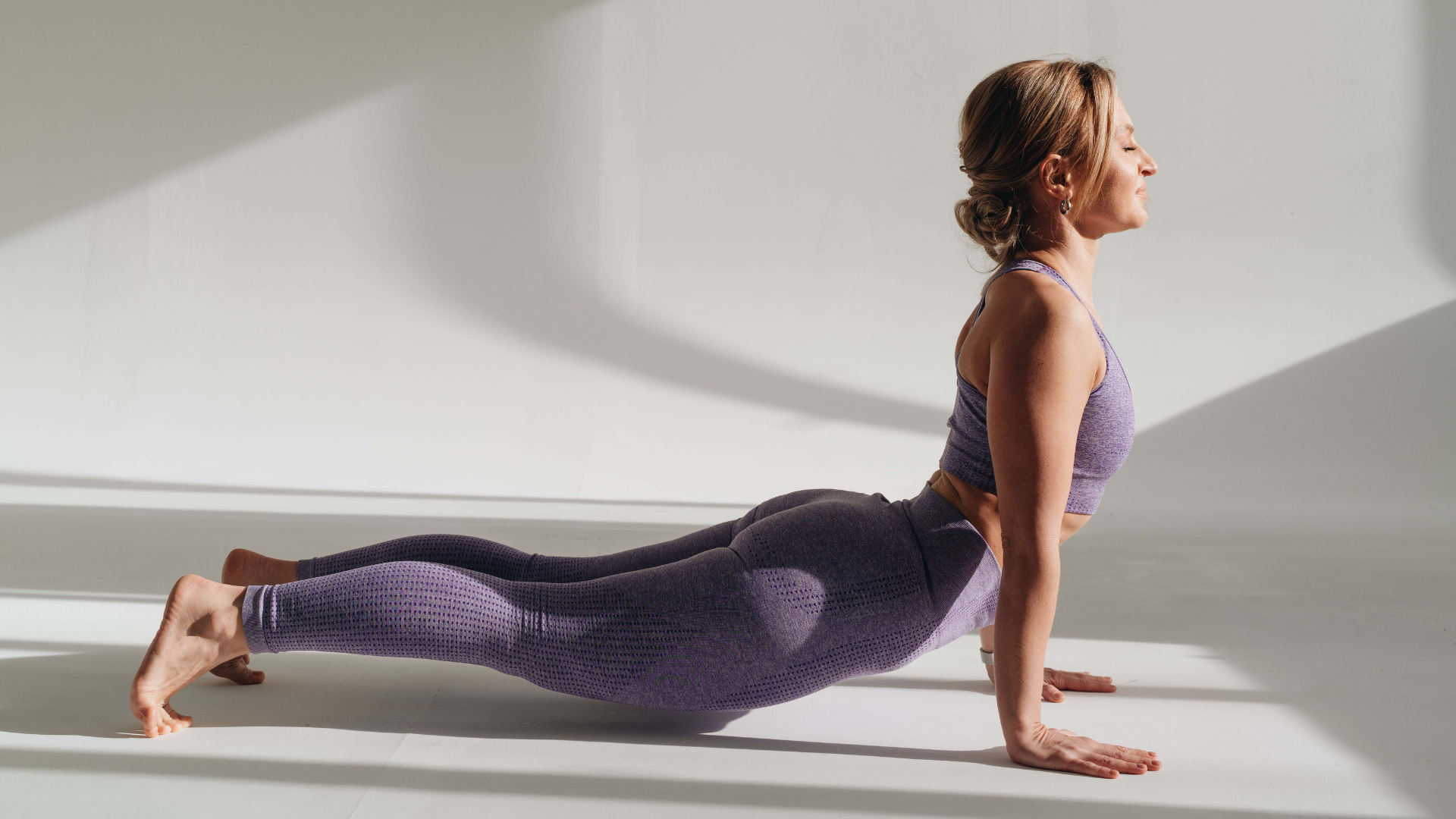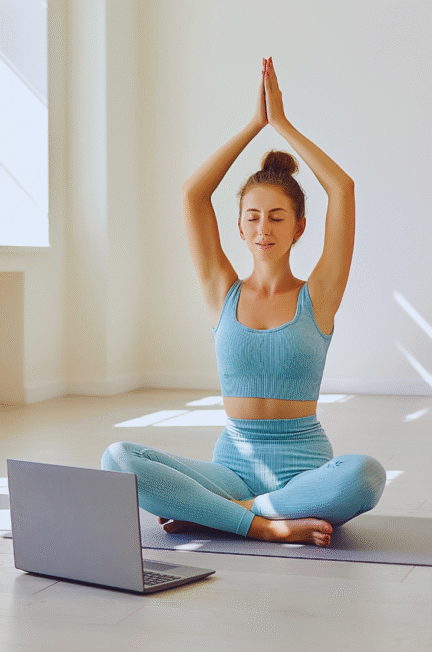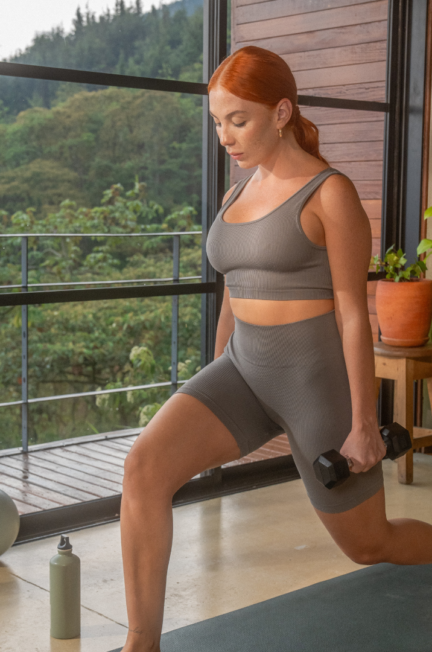
Incorporating a daily yoga routine can significantly enhance one’s physical and mental well-being. A well-structured yoga practice promotes flexibility, strength, and balance while energising the body and reducing stress. By dedicating just a few minutes each day to yoga, individuals can improve their alignment and foster a sense of calm amidst a busy lifestyle.
Many people underestimate the benefits of a consistent yoga habit. Regular practice not only builds physical resilience but also cultivates mindfulness and focus. This balance between body and mind can lead to a more centred and fulfilling daily experience.
Exploring different poses and sequences allows practitioners to adapt their routines to personal needs and goals. By doing so, they can target specific areas requiring improvement while enjoying the transformative effects of yoga as part of their everyday lives.
Fundamentals of a Yoga Routine
A daily yoga routine combines various elements that enhance physical, mental, and emotional well-being. This section will explore the benefits of yoga, the different types of practices available, and the essential poses that are fundamental to a comprehensive routine.
Understanding the Benefits
Yoga offers numerous advantages that can significantly impact an individual’s life. Regular practice can improve flexibility, strength, and balance. Additionally, it promotes mental clarity and reduces stress levels.
Participants often find that yoga enhances their energy levels and emotional resilience. It fosters a deeper connection between body and mind, encouraging mindfulness in daily activities. As individuals integrate yoga into their routines, they may experience improved sleep quality and an overall sense of well-being.
Types of Yoga Practices
There are various styles of yoga catering to different needs and preferences. Hatha yoga is often recommended for beginners, as it focuses on basic postures and breathing techniques. This style emphasises alignment and is typically less vigorous compared to others.
In contrast, Vinyasa yoga involves more dynamic movement, synchronising breath with sequences of poses. Yin yoga targets deeper tissues and is known for its slower pace, allowing for longer holds in each posture. Each type offers unique benefits, enabling practitioners to choose what suits their fitness levels and goals best.
Essential Yoga Poses
Incorporating key poses is vital for a balanced yoga routine.
- Mountain Pose (Tadasana): This foundational pose improves posture and stability.
- Downward-Facing Dog (Adho Mukha Svanasana): It stretches the hamstrings, calves, and shoulders while increasing blood flow.
- Warrior I (Virabhadrasana I): This pose promotes strength and confidence while opening the hips.
- Chair Pose (Utkatasana): It builds strength in the legs and core, stimulating the body’s energy levels.
- Child’s Pose (Balasana): A restorative position that allows for relaxation and reflection.
Incorporating these poses regularly can ensure a well-rounded practice, enhancing physical fitness and mental clarity.
Crafting Your Morning Yoga Sequence
Creating a well-structured morning yoga sequence sets a positive tone for the day. It should include a warm-up, a core sequence for strength and flexibility, and a cooling-down phase to restore calm.
Warming Up
Warming up is essential to prepare the body for movement and prevent injury. Start with gentle stretches to awaken the muscles.
- Cat-Cow Pose: Moving between these two postures increases spinal flexibility and warms up the back. Transition slowly to engage muscles effectively.
- Sun Salutations: This sequence combines forward folds, lunges, and upward reaches. Perform a few rounds to build warmth and energy in the body.
Incorporating simple side bends can also enhance flexibility. A proper warm-up ensures the body is ready for more challenging poses.
Building the Core Sequence
The core sequence focuses on building strength and flexibility.
- Plank: This pose activates the core and improves stability. Aim to hold a plank for 30 seconds, gradually increasing the duration with practice.
- Downward Dog: This is a full-body stretch that strengthens arms and legs while lengthening the spine. Hold for several breaths to maximise its benefits.
- Triangle Pose: This asana enhances balance and stretches the sides of the body. Ensure proper alignment by engaging the core and reaching through both arms.
- Low Lunge: This pose opens the hips and strengthens the legs. It prepares the body for deeper stretches later in the sequence.
- Standing Forward Bend: This pose allows a gentle stretch of the hamstrings and lower back. Relax the neck and focus on breathing deeply.
Combining these poses creates a dynamic flow that energises the body.
Cooling Down
Cooling down is vital for transitioning the body from practice to daily activities. Focus on restorative poses that promote relaxation.
- Gentle Seated Forward Bend: This can release tension in the back and legs. Maintain a soft approach, avoiding strain in any area.
- Reclined Bound Angle Pose: This allows for a gentle hip opener. Support the knees with props if needed for added comfort.
- Savasana: End the routine with a few minutes in this restorative pose. Concentrate on breath awareness to ground the practice.
Incorporating these cooling techniques helps in recovering from the morning session while preparing for the day ahead.
Alignment and Posture Focus
Proper alignment and attention to posture are crucial for maximising the benefits of a daily yoga routine. Focusing on these aspects not only enhances the effectiveness of the practice but also minimises the risk of injury. Understanding the key elements of alignment can lead to a more fulfilling experience on the mat.
Importance of Alignment
Alignment helps in ensuring that the body functions efficiently during yoga practice. When a student aligns their body correctly, it encourages proper muscle engagement and enhances balance.
Key benefits include:
- Injury Prevention: Proper alignment can reduce strain on joints and muscles.
- Enhanced Breath: Good posture opens the chest and allows for deeper breathing.
- Increased Strength: Correct positioning allows for better use of core muscles, aiding in stability.
For instance, in poses like Uttanasana (Forward Bend), maintaining alignment in the spine helps protect the back and improves flexibility in the hamstrings and calves.
Adjusting Common Yoga Poses
Adjusting poses to fit individual bodies is essential for promoting safety and comfort. Each pose presents unique alignment challenges. Modifications can be made to better suit the practitioner’s needs.
In Pigeon Pose, for example, ensuring the front leg is in line with the hip joint can prevent overextension and promote a proper hip opener. In the Extended Side Angle, aligning the front knee over the ankle and reaching the torso forward can enhance stability.
Sometimes using props such as blocks or straps can assist in achieving the correct alignment. This is especially helpful for those struggling with flexibility, allowing them to explore deeper aspects of each pose safely.
Yoga for Flexibility and Strength
Building flexibility and strength requires attention to alignment in every pose. Poses like Boat Pose offers an excellent opportunity to engage the core, which is crucial for maintaining balance and stability. Focus on keeping the spine straight while drawing the legs in.
Incorporating gentle hip openers and dynamic stretches will further support overall flexibility.
Practitioners should consistently check their alignment in poses like Uttanasana or Pigeon Pose to ensure they’re getting the intended benefits. Regular focus on these principles will improve both physical capacity and the depth of the practice, fostering a balanced approach to yoga.
Advanced Yoga Techniques
Advanced yoga techniques focus on deepening practice and enhancing flexibility, strength, and mindfulness. These techniques often require precision and control to master poses that challenge the body and mind.
Inversions and Balances
Inversions and balance poses build strength and stability while offering a new perspective. They require core engagement and body awareness.
Common techniques include:
- Virabhadrasana II (Warrior 2): Strengthens the legs and opens the hips while improving balance.
- Trikonasana (Triangle Pose): Enhances lateral flexibility and stability.
- Locust Pose (Salabhasana): Strengthens the back, aiding in inversion transitions.
Mastering these poses demands consistent practice, focusing on breath and alignment to prevent injury and maximise effectiveness.
Deep Stretches and Holds
Deep stretches and holds help increase flexibility and release tension in muscles. These techniques encourage deeper access to physical and emotional layers.
Key postures involved:
- Happy Baby: Opens the hips and relaxes the lower back.
- Reclining Twist: Promotes spinal mobility and relaxation.
- Squat: Improves hip flexibility and strengthens leg muscles.
Practitioners should focus on extending the duration of each hold. This cultivates patience and deeper muscular engagement, allowing for further progress in flexibility and relaxation.
Integrating Mindfulness and Breathing
Integrating mindfulness and breath techniques into practice elevates the experience of yoga. It fosters a connection between mind and body.
Key considerations include:
- Breath Awareness: Focuses on inhalation and exhalation to centre the mind during challenging poses.
- Meditative States: Utilises visualisation and mantra repetition to enhance calmness.
- Savasana: The final relaxation pose, is essential for absorbing the practice’s benefits.
Consistent application of mindfulness strengthens mental discipline and promotes overall well-being in advanced practices.