Establishing a consistent yoga practice can be challenging, yet it is essential for realising its full benefits. Creating a structured routine while setting realistic goals can significantly enhance commitment to regular practice. Incorporating yoga into daily life need not be overwhelming; small adjustments can lead to greater consistency over time.
Staying engaged and motivated is crucial. Finding a yoga style that resonates, joining a community, or using technology for guided sessions can foster a supportive environment. It’s important for practitioners to track their progress and celebrate achievements, no matter how small, as this reinforces dedication.
Incorporating mindfulness and patience into the practice will transform not only the yoga journey but also the individual’s overall wellness. Commitment to a routine becomes easier when yoga is viewed as a fulfilling and integral part of life.
Establishing a Sustainable Yoga Routine
Creating a sustainable yoga routine involves setting realistic goals, designing a welcoming practice environment, and weaving yoga seamlessly into daily activities. These elements contribute to a consistent and enjoyable yoga practice.
Setting Clear and Achievable Goals
Specific and attainable goals form the foundation of a sustainable yoga routine. Individuals should consider what they want to achieve, whether it’s improving flexibility, mastering a particular asana, or practising daily.
Breaking these goals into smaller milestones helps maintain motivation. For example, a goal to practice daily yoga could begin with committing to just 10 minutes per day. As progress is made, the duration can gradually increase.
Tracking progress through a journal or an app can also foster accountability. Regular reflection on achievements encourages a positive mindset and reinforces commitment to the routine.
Creating an Inviting Home Practice Space
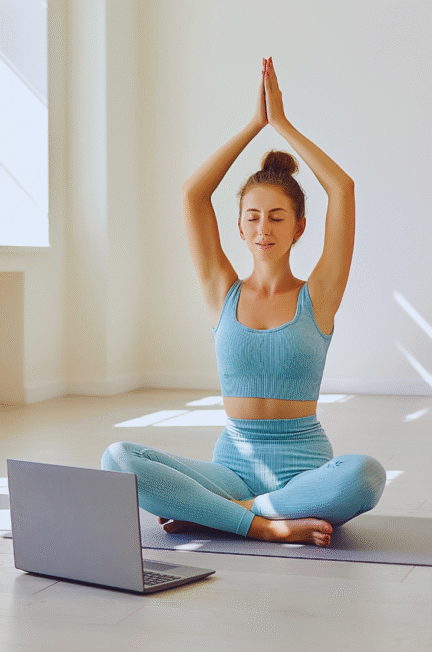
A dedicated space for yoga practice enhances focus and motivation. It doesn’t need to be large; a small corner with a yoga mat can suffice.
Key elements to consider include:
- Comfort: Use a non-slip mat and comfortable clothing.
- Ambience: Incorporate natural light or soft lighting, and consider adding plants or calming colours to the space.
- Supplies: Keep essential items like blocks, straps, and a blanket readily accessible.
Personalising the space with inspirational quotes or images can also elevate the practitioner’s mood. A serene environment cultivates a deeper connection to the practice.
Integrating Yoga into Daily Life
Incorporating yoga into daily life ensures regular engagement without the need for a rigid schedule. This can be achieved through short, focused sessions throughout the day.
Practitioners can:
- Start the day with a few sun salutations to energise.
- Take breaks during work to stretch or practise deep breathing.
- Wind down the evening with calming poses to promote relaxation.
Utilising online classes or apps can provide structured sessions that fit into busy schedules. By adapting yoga to daily activities, it becomes a natural part of life rather than a chore.
Techniques and Strategies to Maintain Consistency
Staying consistent with a yoga practice can be enhanced through specific techniques that emphasise accountability, mindfulness, and overcoming common challenges. Implementing these strategies can support long-term engagement and deepen the practitioner’s experience.
Building Accountability and Motivation
Creating accountability can significantly enhance consistency in yoga practice. Partnering with a friend or joining a yoga group fosters commitment. Regular check-ins can encourage individuals to share progress and challenges.
Setting personal goals is another vital aspect. By defining attainable objectives, practitioners can track their growth. Writing these goals down can serve as a reminder of their purpose.
Utilising technology can also support accountability. Yoga apps that track daily practice and send reminders can keep individuals motivated. Additionally, following influential yoga teachers on social media can inspire and create a sense of community.
Using Mindfulness and Self-Awareness
Incorporating mindfulness practices is crucial for maintaining consistency. Mindfulness can enhance awareness of bodily sensations and emotions during yoga sessions. This deepened awareness can lead to a stronger connection between mind and body.
Engaging in yoga nidra is another effective practice. This state of conscious relaxation allows individuals to cultivate self-awareness and reinforce their commitment to the practice. The benefits extend beyond the mat, positively influencing daily life.
Meditation can also aid in building a consistent practice. It heightens focus and dedication, allowing the practitioner to centre their intentions. Integrating short meditation sessions before or after yoga can enhance overall mindfulness.
Overcoming Common Obstacles
Addressing common obstacles is essential for consistency. Time constraints often hinder regular practice. Establishing a set schedule can help individuals prioritise yoga, making it part of their daily routine.
Physical discomfort can also be a barrier. Practitioners should listen to their bodies and modify poses as needed. Understanding the teachings of the Yoga Sutra, especially concepts like yama, encourages self-compassion and patience.
Creating a suitable environment can enhance the practice as well. Setting up a dedicated space free from distractions helps individuals focus and engage more fully. Simple changes, like using calming scents or soft lighting, can create an inviting atmosphere for practice.
Enhancing Your Practice for Long-Term Benefits
To maintain a consistent yoga practice, focusing on flexibility and strength is essential. Exploring different yoga styles and techniques can also deepen one’s experience and efficacy. The following sections detail how to adapt yoga to individual needs and discover varied practices.
Adapting Yoga to Support Flexibility and Strength
Incorporating specific poses can significantly enhance flexibility and strength. For instance, Trikonasana (Triangle Pose) effectively stretches the sides and improves balance.
Adding Suryanamaskar (Sun Salutations) integrates movement with breath, energising the body while promoting flexibility. Practitioners should focus on aligning their movements with their breath to maximise their experience.
Engaging in pranayama (breath control) aids in developing core strength and stabilises the body. Techniques such as Ujjayi breath during a Vinyasa flow can enhance both physical and mental endurance. Regular practice will lead to gradual improvements, fostering resilience and confidence.
Exploring Yoga Styles and Advanced Techniques
Different yoga styles can provide unique benefits that support long-term practice. Ashtanga yoga, with its fixed sequence, emphasises strength and endurance, making it ideal for those seeking a rigorous workout.
In contrast, Hatha yoga offers a gentler introduction to asanas, allowing for mindfulness and relaxation. It is suitable for beginners looking to build a solid foundation.
Incorporating mudras (hand gestures) into practice can also enhance focus and energy flow. For those ready to advance, experimenting with variations of poses can lead to breakthroughs. Each style or technique can provide fresh insights into the practice, promoting sustained engagement and growth.
Nourishing Mind, Body, and Soul Through Consistent Practice
Consistent yoga practice nurtures the mind, body, and soul by fostering balance and promoting holistic well-being. Engaging deeply with yoga allows individuals to experience various dimensions of health, leading to substantial benefits.
Balancing Physical Health and Mental Well-Being
Regular yoga practice significantly enhances physical fitness while simultaneously supporting mental clarity. The combination of postures and breathwork strengthens the body, improving flexibility and endurance.
In addition, it aids in stress reduction, which can lead to better decision-making and emotional stability. Incorporating varied styles—like Hatha for strength or Yin for relaxation—ensures a comprehensive approach. This balance nurtures both the physical and mental aspects of the individual.
Deep Relaxation and Subtle Energies
Achieving deep relaxation is essential in yoga. Techniques such as Pranayama (breath control) promote a state of calm that extends beyond the mat.
This practice encourages the flow of prana, or subtle energies, which can invigorate the body’s systems. Learning to quiet the mind fosters a sense of emptiness and helps combat the effects of ageing. Savasana, or the final resting pose, serves as a critical moment for integrating these energies, enhancing overall tranquillity.
Personal Growth and the Journey of Yoga
Yoga is not solely a physical activity; it is a journey of personal growth and self-discovery. Through consistent practice, individuals uncover their strengths, face challenges, and evolve mentally and spiritually.
Participating in yoga teacher training or community classes can deepen knowledge and foster connections with like-minded individuals. This camaraderie enriches the practice and encourages ongoing commitment. Adopting principles of karma yoga—the path of selfless action—can further inspire a deeper relationship with oneself and others.