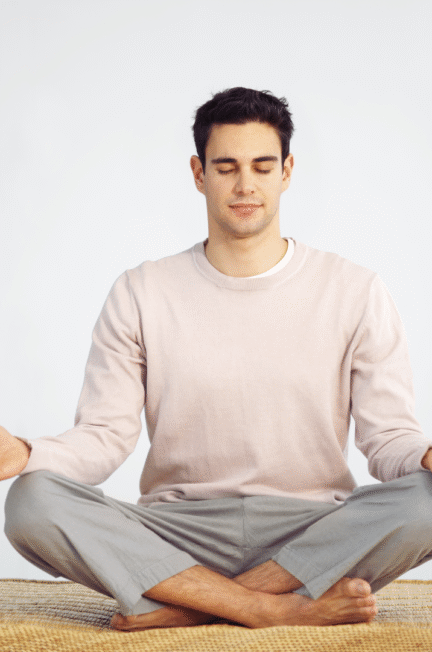
Most people think massages are about feeling good, relaxing, or getting rid of muscle knots. Rolfing sounds similar at first, but it’s not the same. It goes way beyond relaxing tight muscles. It’s more about how the whole body moves and holds itself together. Rolfing changes how everything works as one big system, not just a few sore spots. That’s why it can feel a bit weird at first, but also why some people say it’s the only thing that actually helped.
Let’s break it down simply. This isn’t just a “massage.” It’s something that helps your body move better, feel lighter, and work the way it’s meant to.
It Starts With How Your Body Holds Itself
Every person has what’s called “body alignment.” That just means how your bones, muscles, and everything else are lined up when standing or moving. When things are out of balance—maybe from sitting all day, old injuries, or just how someone’s always moved—the body starts making up for it in weird ways. Muscles tighten, some joints carry too much pressure, and posture can start to look and feel off.
That’s where Rolfing comes in. It focuses on a type of tissue called fascia. This is the layer that wraps around muscles, bones, and organs, kind of like cling film. When fascia gets stiff or stuck, it can pull parts of the body out of place. That’s when pain, stiffness, or limited movement starts showing up.
Rolfing works on this fascia to help the body get back into a better position. And once everything is lined up properly, muscles don’t have to work as hard just to keep someone standing straight.
What Does a Rolfing Session Actually Feel Like?
It’s not a gentle massage with oils and soft music. A Rolfing session usually takes about an hour and feels more focused. The practitioner uses slow, firm pressure on certain parts of the body, usually following a plan based on how the person stands and walks. It’s not always comfortable, especially if an area has been tight for years, but it shouldn’t feel sharp or painful either.
The goal isn’t to “rub out” tight spots—it’s to shift how the body is holding itself. And because everything in the body is connected, working on one area can sometimes make a big difference somewhere else.
If someone is looking to try it for themselves, it’s smart to start with experienced professionals. One place that explains the process really clearly is Rolfing. It gives a good idea of what to expect and how it’s different from other bodywork.
How It Changes Muscles and Movement
After just a few sessions, some people notice that their shoulders aren’t as tight or their lower back doesn’t hurt after sitting for a while. That’s not just luck. It’s because Rolfing helps muscles return to doing the jobs they’re supposed to do.
When posture improves, muscles don’t have to work so hard all the time. That means less tension, more balance, and smoother movement. It’s kind of like untangling a set of headphones—once the knots are gone, everything just works better.
Even breathing can change. When the chest and ribs aren’t being pulled out of shape by tight fascia, the lungs have more room to expand. That means easier, deeper breaths without even thinking about it.
It’s Not Just for Injuries
Some people think Rolfing is only for folks with injuries or pain. That’s not true at all. It can be helpful for athletes who want to move better, people who sit at desks all day, dancers, or anyone who just wants their body to feel more “put together.”
In fact, a lot of people use it to stop problems before they get worse. Maybe their knees don’t hurt yet, but they notice that their legs feel unbalanced. Maybe one hip sits higher than the other. Fixing those kinds of things early on can stop pain from starting in the first place.
That’s one reason Rolfing is used in sports, too. When the body is aligned, it can move with more power and less effort. Even something small, like the angle of a foot, can make a big difference in performance and injury prevention.
Is It a One-Time Fix?
No, Rolfing isn’t a magic button that fixes everything in one go. Most people start with what’s called the “Ten Series.” That’s ten sessions, each one focusing on a different area or layer of the body. It builds step by step—first the surface layers, then deeper parts, then how everything moves together.
After the Ten Series, some people don’t need more unless something changes in their body later on. Others like to come back for tune-ups, especially if they’ve had an injury or started a new activity that’s putting different stress on their body.
It’s kind of like getting braces off your teeth—just because things are aligned now doesn’t mean they’ll stay that way forever. But it gives the body a much better starting point.
What People Usually Notice
People who go through Rolfing often say things like:
- Their posture feels more natural.
- They aren’t as sore after workouts or long days.
- It’s easier to stand or walk for longer periods.
- Their breathing feels smoother.
- Their body feels more connected, like everything is working together.
These changes don’t always show up right away, but they tend to last longer than what someone might get from a quick massage or stretch.
Final Thoughts and Takeaways
Rolfing isn’t about chasing tight muscles or cracking joints. It’s about helping the body work the way it’s supposed to—balanced, strong, and free to move. It might feel strange at first, but for people who’ve tried lots of things with no lasting relief, this approach can be a total game-changer.
It’s not just for injuries or athletes. Anyone who wants to feel more balanced, breathe better, or move without constant tension could benefit. And once the body learns how to hold itself the right way, everything else gets a bit easier—walking, running, sitting, even just standing still.
Want to keep your body running smoothly? Pay attention to how it feels, how it moves, and how often it gets stuck. Then consider something like Rolfing that works with the whole body, not just the sore spots. It could be one of the best decisions for long-term health and comfort.