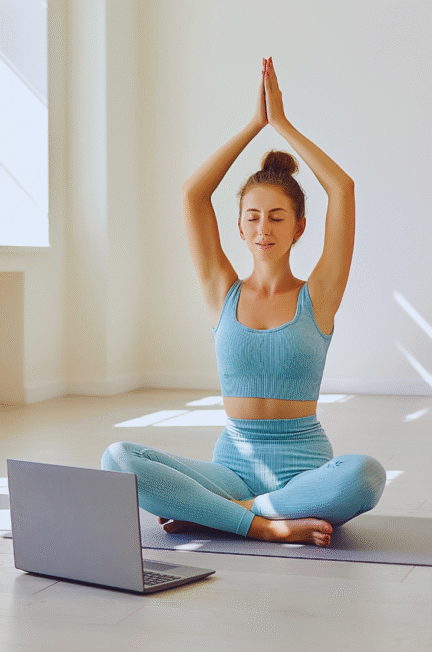
You can create a soothing home yoga space without spending much by choosing a quiet corner, prioritising comfort, and using inexpensive items you already own. Keep the layout simple: a mat, a small anchor like a cushion or blanket, soft lighting, and a few calming scents will transform a spot into a consistent practice area.
They will learn practical swaps and low-cost upgrades that cut clutter and boost focus, from using baskets for storage to repurposing linens for padding. The following guide walks through actionable steps, materials to prioritise, and creative budget options so the space supports regular practice and relaxation.
Step-by-Step Guide to Setting Up a Calming Home Yoga Space on a Budget
This guide shows how to pick a compact spot, buy low-cost essentials, adjust light and colour, add plants and simple decor, use sound and scent, and keep a personalised, tidy home yoga practice area.
Choosing the Right Location for Your Yoga Corner
They should pick a quiet, low-traffic corner at least 6–8 ft long for a full yoga mat and movement. A bedroom alcove, an empty living room corner, or a section along a wall beside a window works well.
Position the mat so the head points toward the wall or window to reduce distractions and create a sense of enclosure. Avoid placing the mat directly in front of a TV or near doorways that open into busy spaces.
Consider floor type: a hardwood or laminate floor needs a mat with grip; a low-pile carpet can work without extra padding. Measure light and noise at practice time; if the morning sun is harsh, choose an alternate wall or use a sheer curtain.
Essential Affordable Yoga Gear and Props
They should start with a durable yoga mat (3–5 mm for most practices, 6 mm for added cushioning) and a non-slip surface. Add two foam yoga blocks, a cotton or nylon yoga strap, and a folded blanket for seated poses and extra knee support.
A small meditation cushion improves seated posture for pranayama and meditation. Purchase a budget yoga kit or secondhand props to keep costs under $60–$80 without sacrificing safety.
Prioritise durability and grip over brand names. Store props on a simple shelf, a basket, or under a bed to keep the home yoga studio tidy and ready for daily practice.
Optimising Lighting and Colour for a Soothing Ambience
They should aim for warm, dimmable lighting around 2700–3000 K to mimic sunset tones and lower arousal. Use an inexpensive dimmable LED floor lamp or a plug-in smart bulb to control brightness without rewiring.
Choose wall or accessory colours in muted tones—sage green, warm beige, soft grey, or dusty blue—to reduce visual stimulation. Paint one small accent wall if possible, or use removable wallpaper or large fabric hangings for a weekend project.
Add layered light: a soft overhead (if available), a floor or table lamp at ankle height, and flameless candles or string lights for restorative sessions. Keep light controls within reach from the mat for quick adjustments during practice.
Adding Calming Touches with Plants and Decor
They should select low-maintenance indoor plants—snake plant, ZZ plant, pothos, or succulents—to improve air quality and add visual calm. Place a couple of small pots on a shelf and a taller plant near the mat to frame the yoga corner.
Use natural materials: a jute rug under the mat, wooden shelving for yoga blocks, and woven baskets for blankets and straps. Keep decor minimal: one or two framed prints, a small statue, or a meaningful object that supports focus.
Avoid clutter; maintain open floor space for movement. Rotate decor seasonally to keep the space fresh without adding cost.
Incorporating Music and Scents for Deeper Relaxation
They should use a compact Bluetooth speaker with stable battery life for guided classes and soft music. Create a short playlist of instrumental tracks, low-tempo ambient tracks, and guided-practice recordings stored on a phone or tablet.
Introduce scent with an essential oil diffuser or a small ceramic nebuliser; choose lavender, frankincense, or a citrus blend depending on whether they want relaxation or mild invigoration. Use scents sparingly—2–3 drops per session—to avoid overpowering the space.
Place the speaker and diffuser where sound and scent disperse evenly, but do not sit directly on the yoga mat. Avoid open flames by choosing flameless candles for evening practices.
Maintaining and Personalising Your Home Yoga Studio
They should develop a 5–10 minute daily tidy routine: roll the mat, return blocks and strap to their shelf, wipe the mat with a cloth and mild cleaner once a week. Store frequently used items within arm’s reach to reduce setup friction and encourage consistent home yoga practice.
Personalise with small rituals: a dedicated incense-free smudging stand, a laminated sequence chart on the wall, or a labelled basket for class props. Keep a small logbook or a sticky note for goals and track progress to reinforce the habit.
Inspect props quarterly for wear—replace a slippery mat or compressed blocks promptly for safety. Keeping the space clean and intentionally arranged supports peaceful home yoga and makes daily practice more likely.