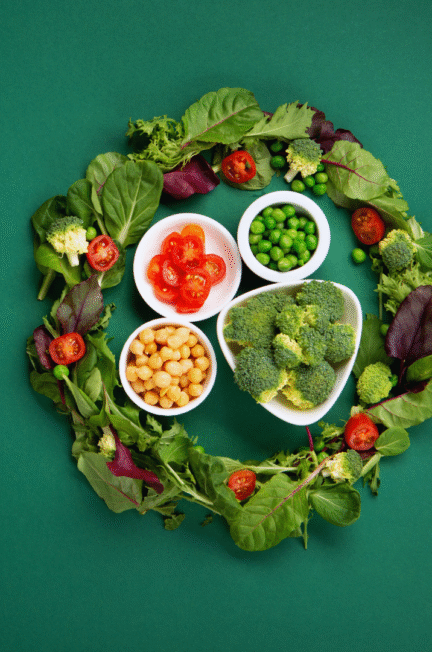
You can strengthen daily defences with food choices that supply vitamins, minerals, and bioactive compounds your immune system needs to function well. Focus on whole, nutrient-dense foods—bright fruits and vegetables, fermented items, lean proteins, nuts, and seeds—to support immune health without relying on fad supplements.
They will learn which immune-boosting foods deliver vitamin C, vitamin D, zinc, probiotics, and antioxidants, and how simple swaps at meals add consistent immune support. The article then breaks down practical options and easy ways to include these immune-supporting foods, so making better choices feels manageable.
Key Foods That Naturally Support a Healthy Immune System
These foods supply vitamins, minerals, healthy fats, fibre, and bioactive compounds that support white blood cell function, moderate inflammation, and maintain a balanced gut microbiome.
Citrus Fruits and Vitamin C-Rich Foods
Citrus fruits such as oranges, grapefruits, lemons, limes, and tangerines deliver high doses of vitamin C, which supports the production and function of white blood cells and acts as an antioxidant. A medium orange provides about 70 mg of vitamin C; regular intake helps maintain plasma levels needed for immune cell activity without requiring mega-doses.
Other vitamin C-rich options include red bell peppers and papaya, both of which contain more vitamin C per serving than many citrus fruits. Vitamin C also regenerates other antioxidants in tissues and can reduce oxidative stress during infections. Pairing vitamin C foods with iron-rich plant sources enhances non-heme iron absorption, which supports immune cell proliferation.
Leafy Greens and Cruciferous Vegetables
Spinach, kale, collard greens, mustard greens, and broccoli provide folate, beta-carotene (a vitamin A precursor), vitamin E, and vitamin C in concentrated forms that support mucosal barriers and immune cell development. Broccoli uniquely supplies sulforaphane, a compound linked to antioxidant enzyme activation and reduced inflammatory signalling in cells.
Beta-carotene from carrots, sweet potatoes, and dark leafy greens converts to vitamin A, which helps maintain epithelial integrity in the gut and airways. Folate and B vitamins from greens support DNA synthesis in rapidly dividing immune cells. Regular servings (a handful of raw greens or a cup cooked) deliver meaningful micronutrients without supplementation.
Fatty Fish and Omega-3 Sources
Fatty fish such as salmon, mackerel, herring, sardines, trout, and tuna provide long-chain omega-3 fatty acids (EPA and DHA) that modulate inflammation and support cell membrane function in immune cells. Omega-3s can reduce excessive inflammatory signalling and help resolve inflammation through specialised pro-resolving mediators.
Fatty fish often contribute vitamin D, especially wild-caught salmon and mackerel, which support innate immunity and antimicrobial peptide production. For those who avoid fish, walnuts, chia seeds, and flaxseed provide ALA, a shorter-chain omega-3 that partially converts to EPA/DHA. Aim for two servings of oily fish per week to obtain clinically relevant omega-3 and vitamin D amounts.
Yoghurt, Probiotics, and Fermented Foods
Yoghurt, Greek yoghurt, kefir, sauerkraut, kimchi, and other fermented foods supply live and active cultures (probiotics) that help maintain gut microbiome balance and support mucosal immune responses. Specific strains like Lactobacillus and Bifidobacterium influence gut barrier function and short-chain fatty acid production, which in turn affect systemic immune signalling.
Regular consumption of fermented dairy or plant-based alternatives can reduce the risk of gastrointestinal infections and support vaccine responses in some studies. Look for labels stating “live and active cultures” and minimal added sugars. For people with dairy intolerance, kefir made from non-dairy milk or fermented vegetables offers similar microbiome benefits.
Nuts, Seeds, and Vitamin E Powerhouses
Nuts and seeds such as almonds, sunflower seeds, and Brazil nuts supply vitamin E, magnesium, zinc, healthy fats, and selenium—nutrients crucial for antioxidant defence and immune cell function. A small handful of almonds or sunflower seeds provides a meaningful portion of daily vitamin E, which protects cell membranes from oxidative damage during immune activation.
Brazil nuts supply selenium, a trace element that supports antioxidant selenoproteins and viral defence pathways; one or two Brazil nuts a few times per week usually meet the recommended selenium intake. Zinc from seeds and nuts supports white blood cell development and pathogen-fighting capacity; maintain balanced intake to avoid interfering with copper absorption.
Colourful Fruits: Berries, Papaya, and Beyond
Berries—blueberries, strawberries, raspberries, and blackberries—provide concentrated polyphenols, anthocyanins, and vitamin C that reduce oxidative stress and support microbe-host balance. Regular portions (a half to one cup) add fibre and flavonoids like quercetin that modulate inflammatory pathways.
Papaya contributes vitamin C and digestive enzymes, while tomatoes and red bell peppers add lycopene and extra vitamin C. Carrots and sweet potatoes supply beta-carotene, supporting vitamin A stores for mucosal immunity. Including a variety of colours across fruits and vegetables ensures broad coverage of antioxidants and phytonutrients without relying on single “superfoods.”
Spices and Herbal Immune Boosters
Garlic (allicin), ginger (gingerol), and turmeric (curcumin) provide antimicrobial, anti-inflammatory, and antioxidant effects when used regularly in cooking. Garlic’s allicin shows mild antimicrobial activity; incorporating fresh crushed garlic into meals can complement other immune-supporting foods rather than replace them.
Green tea contains catechins such as epigallocatechin gallate (EGCG), and black tea provides polyphenols; both support antioxidant defences and modulate immune cell signalling. Turmeric’s curcumin reduces inflammatory markers when paired with black pepper for better absorption. Use these spices daily in soups, poultry dishes, dressings, or beverages to gain cumulative benefits without relying on high-dose supplements.