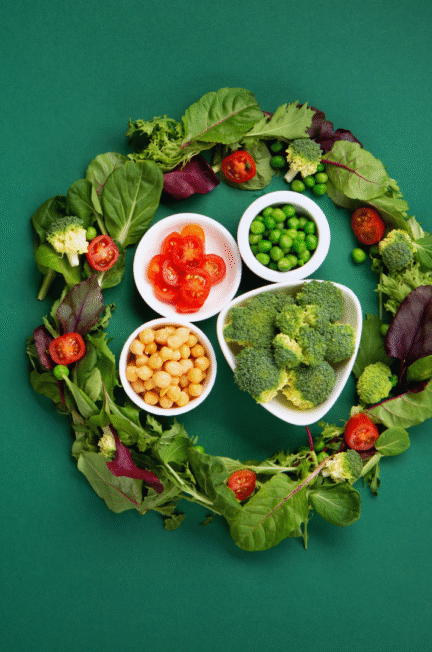
A healthy diet incorporates a variety of nutrients essential for overall well-being. Among these, protein plays a crucial role in building and repairing tissues, creating enzymes, and supporting immune function. Plant-based protein sources offer a fantastic alternative to traditional animal proteins, providing essential nutrients while also promoting heart health and reducing the risk of chronic diseases.
Exploring plant-based diets reveals numerous protein-rich foods that can easily fit into anyone’s nutrition plan. Ingredients like lentils, quinoa, chickpeas, and nuts not only serve as powerful protein sources but also come packed with vitamins, minerals, and fibre. This dietary choice is not just for vegetarians and vegans; it can benefit anyone looking to lead a healthier lifestyle.
As more individuals seek to improve their health through diet, understanding the rich variety of plant-based protein options available is imperative. Transitioning to a plant-based diet can be both delicious and rewarding, opening a world of flavours and health benefits that cater to diverse tastes and nutritional needs.
Key Plant-Based Protein Sources
Plant-based protein sources offer a variety of options for those seeking to incorporate more protein into their diets. Understanding the key sources can help individuals make informed dietary choices.
Legumes and Pulses
Legumes and pulses are excellent sources of protein, fibre, and essential nutrients. Common examples include beans, lentils, and chickpeas.
- Black beans are particularly high in protein, providing about 21 grams per cooked cup.
- Chickpeas, often enjoyed as hummus or roasted, deliver around 15 grams of protein per cooked cup.
- Lentils contribute approximately 18 grams per cooked cup and are versatile in soups and salads.
These foods are cost-effective and can aid in promoting satiety while supporting digestive health.
Nuts and Seeds
Nuts and seeds are nutrient-dense options that provide healthy fats, vitamins, and a notable amount of protein.
- Almonds contain around 6 grams of protein per ounce, making them a great snack choice.
- Walnuts and cashews offer similar benefits, providing essential fatty acids alongside protein.
- Chia seeds, flaxseeds, and pumpkin seeds are rich in omega-3 fatty acids and contain valuable protein, averaging 5-7 grams per ounce.
Nut butters, such as almond butter, also serve as a delicious spread and protein source. These foods can easily be incorporated into smoothies, salads, and baked goods.
Soy-Based Foods
Soy-based foods are among the highest plant protein sources available.
- Tofu, made from soybeans, provides approximately 20 grams of protein per 100 grams and is adaptable in various dishes.
- Tempeh is another fermented soy product, rich in protein at around 19 grams per 100 grams, and offers a firmer texture.
- Edamame, young soybeans, can be enjoyed as a snack or side dish, contributing about 18 grams of protein per cooked cup.
These foods are ideal for those looking to increase their protein intake while adhering to plant-based diets.
Protein-Rich Grains
Certain grains offer a good balance of protein and other vital nutrients.
- Quinoa stands out with around 8 grams of protein per cooked cup and contains all nine essential amino acids, making it a complete protein.
- Brown rice, oats, and barley also provide decent protein levels, averaging 5 grams per cooked cup.
- Lesser-known grains like millet, amaranth, and farro contribute valuable protein content as well.
Incorporating these grains into meals can enhance the overall protein profile of a diet while providing fibre and vital minerals.
Nutritional Benefits of Plant-Based Proteins
Plant-based proteins offer numerous nutritional advantages that support various aspects of health. They contain essential amino acids, along with a rich array of vitamins and minerals. Additionally, they contribute to digestive health and heart health through their fibre and antioxidant content.
Essential Amino Acids
Many plant-based proteins are complete, meaning they supply all nine essential amino acids required for optimal health. Key sources include quinoa, soy, and chia seeds.
While some grains and legumes may lack one or more essential amino acids, combining them can create a complete protein profile. For example, rice and beans together form a robust protein source. These amino acids support muscle repair, immune function, and hormone production.
Micronutrients and Fibre
Plant-based protein sources are often rich in essential micronutrients like iron, calcium, vitamins, and minerals. Dark leafy greens, legumes, and nuts are excellent choices, providing iron necessary for oxygen transport and calcium for strong bones.
Fibre is another important component, aiding in digestive health and promoting satiety. A high-fibre diet can contribute to weight management and may help in weight loss. The presence of antioxidants further supports the immune system and reduces inflammation.
Healthy Fats and Carbohydrates
Certain plant-based proteins, such as nuts and seeds, are high in healthy fats. These fats can improve heart health by lowering bad cholesterol levels. They also provide essential fatty acids that the body cannot produce on its own.
In addition, many plant proteins are paired with complex carbohydrates. Foods like lentils and chickpeas offer a balanced energy source that helps maintain steady blood sugar levels. Eating a mix of proteins, healthy fats, and carbohydrates fosters overall wellness and supports energy requirements for an active lifestyle.
Incorporating Plant-Based Protein Into Everyday Meals
Including plant-based protein in daily meals is essential for a balanced diet. This approach not only supports muscle growth but also reduces the risk of cardiovascular disease. Here are practical ways to incorporate these proteins effectively.
Protein-Packed Recipes
Enjoyable and nutritious recipes make incorporating plant-based protein easy. For breakfast, consider chia pudding made with almond milk. This dish is rich in omega-3 fatty acids and protein.
For lunch, a quinoa salad with black beans, diced vegetables, and a citrus vinaigrette offers a satisfying meal. It provides essential amino acids and fibre.
For dinner, try a warming lentil soup flavoured with spices and plenty of vegetables like broccoli and spinach. This dish is not only hearty but ensures a significant protein intake, conveniently featuring legumes packed with nutrients.
Versatile Cooking Methods
Plant-based proteins can be prepared using various cooking methods. Stir-frying vegetables with tofu or tempeh is a quick way to create a protein-rich meal. The high heat retains nutrients while adding flavour.
Baking also works well for dishes like chickpea patties or nut-based loaves, providing a delicious alternative to traditional meat dishes. Slow-cooking legumes in stews enriches the flavours and enhances digestibility, making it easier for the body to absorb nutrients.
Utilising various cooking techniques can help maintain variety and excitement in meals while ensuring adequate protein intake.
Plant-Based Protein Powders
Plant-based protein powders are convenient for enhancing protein content in diets. Products derived from peas, hemp, and rice are popular choices for those following vegan or vegetarian diets.
Using protein powders in smoothies can elevate nutrient content without altering flavours significantly. Mix it with fruits, almond milk, and spinach for a wholesome drink.
Incorporating these powders into baking can also increase the protein levels in muffins or energy bars, making them a nutritious snack option. Checking for dietary guidelines ensures that the chosen powders meet nutritional needs and support health goals.


