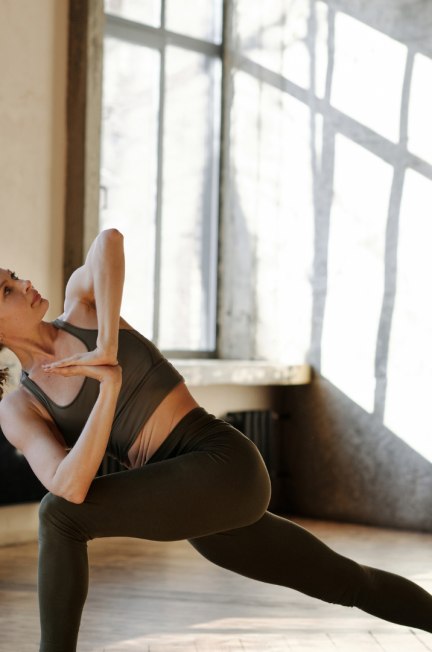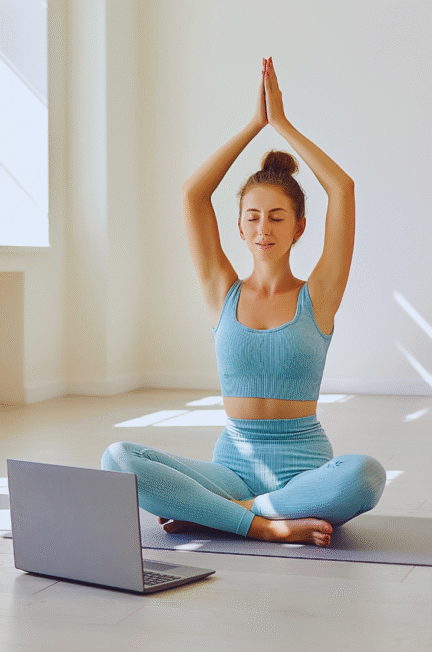
Starting a home yoga practice can be an enriching experience, providing both physical and mental benefits. By carving out a dedicated space and time, individuals can cultivate a routine that fits their lifestyle and preferences. A well-structured home yoga practice can improve flexibility, reduce stress, and enhance overall well-being.
To begin, it’s important to create an inviting environment that promotes relaxation and focus. This could involve choosing a quiet room, using calming decorations, or organising props like mats and blocks. Establishing a consistent schedule reinforces the habit, allowing the practice to become a natural part of daily life.
Exploring different styles of yoga can help individuals find what resonates most with them. From calming Hatha to invigorating Vinyasa, there are numerous options available. Embracing the journey into home yoga not only enhances physical fitness but also fosters mindfulness and self-acceptance.
Setting Up Your Home Yoga Space
Creating an effective home yoga space requires careful consideration of a few essential elements. This includes selecting the right yoga mat, choosing props and equipment, and designing an environment that fosters tranquillity and focus.
Choosing the Right Yoga Mat
The foundation of any home yoga practice lies in the choice of a yoga mat. An ideal mat should provide enough cushioning and support while maintaining grip. Thick mats offer more cushioning for sensitive joints, while thinner mats may provide better stability.
Look for mats made from non-toxic materials like natural rubber or TPE for a healthier option. Size matters too; a standard length of 183 cm (72 inches) and width of 61 cm (24 inches) usually accommodates most individuals.
When shopping, consider the texture and stickiness of the mat, as these features can enhance balance during poses. A high-quality mat enhances comfort and can significantly impact one’s practice.
Selecting Props and Equipment
Incorporating props into a home yoga practice can improve flexibility and support. Essential props include a yoga block, strap, and blanket.
- Yoga Blocks: Help to modify poses and make them more accessible.
- Straps: Aid in reaching poses that require extra flexibility.
- Blankets: Provide comfort during restorative practices.
Additional equipment like bolsters or a yoga wheel can enhance specific routines. Not every practitioner needs a full set of props, but starting with a few basics can enhance the experience and promote better alignment.
Creating a Calming Environment
A calming environment is crucial for an enjoyable yoga practice. Begin by selecting a quiet, well-ventilated room with adequate space to move freely.
One can also consider additional design features such as Sunsquare Skylights, which help maximise natural light and create a brighter, more open, and uplifting atmosphere throughout the space.
Consider the lighting; natural light is preferable, but soft, adjustable lighting works well for evening sessions.
Incorporate elements like plants, calming colours, and minimal clutter to create a peaceful atmosphere.
Adding essential oils or a diffuser can introduce soothing scents that enhance focus. Finally, ensure the temperature is comfortable, as a too-hot or too-cold room can distract from practice.
Building Your Home Yoga Practice
Creating a home yoga practice can be both fulfilling and challenging. Developing routines, selecting styles, mastering essential poses, and incorporating sequences can shape an effective practice designed for individual needs.
Establishing a Consistent Routine
Consistency is vital in developing a home yoga practice. Setting a specific time each day helps form a habit, making it easier to commit. She can aim for sessions at times she feels energised, whether mornings or evenings.
Using reminders, like calendar alerts or sticky notes in visible places, keeps motivation alive. It’s also beneficial to start with shorter sessions, perhaps 20-30 minutes, gradually increasing duration as confidence grows. Tracking progress in a journal can further reinforce commitment.
Selecting Yoga Styles for Home Practice
Different yoga styles cater to various needs and preferences. Vinyasa yoga focuses on seamless movement between poses, making it suitable for those seeking an active practice. A slower-paced style like Hatha is ideal for beginners wanting to learn alignment.
Additionally, restorative yoga provides a gentle approach, emphasising relaxation and mindfulness. Choosing a variety of styles allows practitioners to explore and find what resonates with them. This exploration keeps the practice fresh and engaging, preventing monotony.
Learning Essential Poses
Mastering fundamental poses is crucial for building a solid foundation. Key poses include Downward Facing Dog, Warrior I, and Bridge Pose. These foundational poses enhance strength, flexibility, and balance.
He can use online resources and instructional videos to ensure proper alignment and technique. It’s advisable to repeat poses frequently, allowing muscle memory to develop. Establishing a regular practice of these poses fosters confidence and readiness for more complex asanas.
Incorporating Sun Salutations
Sun Salutations serve as a dynamic way to warm up and energise. This sequence combines several poses, including Mountain Pose and Downward Facing Dog. Incorporating these into a daily routine can enhance flexibility and strength.
She can begin with a few rounds each session, focusing on breath coordination. As proficiency increases, he may add variations to keep the practice invigorating. Regularly practising Sun Salutations sets a positive tone for the entire session and aids in transitioning between different poses smoothly.
Advancing Your Yoga Journey
To enhance a home yoga practice, focusing on specific elements such as flexibility, strength, mindfulness, and different styles can be beneficial. These key areas can support a deeper understanding of yoga and improve overall well-being.
Improving Flexibility and Strength
Incorporating targeted stretches and strength-building poses into a routine can significantly increase flexibility and strength. Key postures include Downward Facing Dog, Warrior II, and Cobra.
- Warm-up: Begin each session with gentle movements like Cat-Cow to prepare the body.
- Regular practice: Aim for at least three sessions per week, gradually increasing the duration.
- Use props: Blocks, straps, and blankets can assist in achieving proper alignment and depth in poses.
Building strength and flexibility takes time, so consistency is essential for noticeable improvements.
Practising Meditation and Mindfulness
Integrating meditation into a yoga practice can enhance the overall experience. This component helps cultivate mindfulness and mental clarity.
- Set aside time: Dedicate a portion of each session to meditate, starting with just five minutes.
- Focus on breath: Utilising techniques like deep breathing can anchor the practice and improve concentration.
- Guided meditations: Experienced individuals may benefit from using apps or online resources for guided sessions.
Regular meditation helps reduce stress and promotes a sense of inner peace, critical for a well-rounded practice.
Exploring Yin Yoga and Relaxation
Yin Yoga focuses on long-held, passive stretches that target deep connective tissues. It can be a powerful complement to other styles of yoga.
- Hold poses: Practice holding postures for three to five minutes, which allows for deeper relaxation and flexibility.
- Mindful breathing: Emphasise breathing evenly while in poses to enhance the meditative aspect.
- Sequences: Integrate Yin sequences after more vigorous practices to promote recovery and mental calmness.
Yin Yoga encourages introspection while improving joint mobility and flexibility.
Joining Online Yoga Classes
Participating in online yoga classes can provide additional motivation and structure to a home practice. It exposes individuals to various instructors and styles.
- Variety of classes: Options range from beginner to advanced levels, catering to different skill sets and goals.
- Live or recorded sessions: Online platforms offer both, allowing flexibility to join when convenient.
- Community interaction: Engaging in classes can foster a sense of community, encouraging accountability and support.
Joining online classes can make the yoga journey more dynamic, offering exposure to new techniques and philosophies.