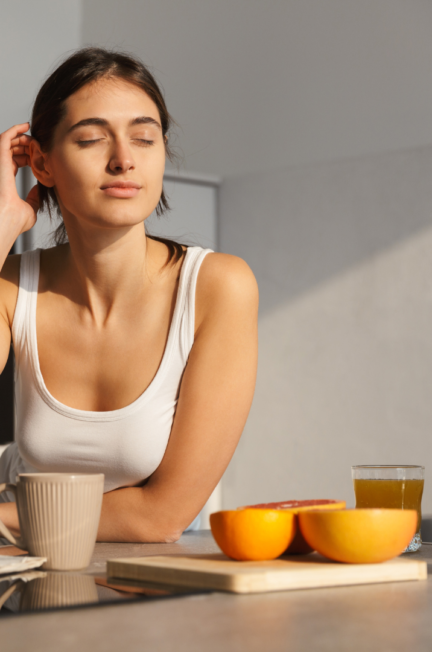
You can change how you feel about your body by choosing movement and small acts of self-care that reinforce respect, comfort, and capability. Start with gentle, consistent practices that prioritise how your body feels over how it looks, and you’ll build a more positive body image through reliable daily actions.
They will explore practical movement habits, mindset shifts, and self-care routines that boost trust in the body and reduce judgment. Expect clear, actionable steps that fit into real life and help you notice steady progress.
Core Practices for Developing a Positive Body Image Through Movement and Self-Care
Focus on what the body can do and how care routines support wellness. Use movement, self-compassion, and a supportive environment to reduce comparison and improve body satisfaction.
Shifting Focus from Appearance to Functionality
Encourage noticing what the body accomplishes during daily tasks and workouts. Track concrete gains such as walking longer distances, lifting heavier weights, or improved balance from tai chi instead of charting weight or inches.
Use simple logs: list three functional wins after each session — e.g., “walked 30 minutes without knee pain,” “completed 10 push-ups,” or “stood on one leg for 20 seconds.” These records build body appreciation and counteract unrealistic beauty standards.
Replace appearance-based goals with performance goals tied to self-care. Prioritise strength training for mobility and bone health, running or walking in nature for cardiovascular fitness and mood, and gentle practices for flexibility. This reframes exercise as physical well-being, reduces social comparison, and supports long-term self-acceptance.
Mindful Movement for Body Awareness and Satisfaction
Teach slow, attentive movement practices to improve body awareness and reduce disordered eating or compulsive exercise patterns. Examples: a 10-minute mindful walking routine that focuses on breath, foot placement, and sensations; a five-minute body scan after a workout; or a gentle tai chi sequence to notice balance shifts. These practices release endorphins and increase self-image through direct sensory feedback.
Instruct using specific cues: notice breath depth, muscle engagement, and where tension sits. Encourage participants to rate comfort or satisfaction on a 1–5 scale after sessions to track improvements in body satisfaction and mood. Mindful movement cultivates self-compassion and reduces automatic negative thoughts prompted by media representation and fitness influencers.
Building Self-Compassion Through Movement
Embed self-compassion practices into exercise routines to shift self-worth away from looks. Use short, actionable tools: begin sessions with a one-line affirmation (e.g., “My body helps me move through my day”), pause to acknowledge effort after a set, and end with gratitude for physical capabilities. These steps promote self-love and body neutrality when full body positivity feels unreachable.
Teach how to challenge negative thoughts with evidence-based prompts: ask, “What did my body do today?” or “Which movement felt stronger than last week?” Combine this with consistent routines—group workouts, walking in nature, or solo strength training—to reinforce self-esteem and reduce social comparison. Encourage limiting social media and practising media literacy to avoid unrealistic standards.
Curating a Supportive and Empowering Environment
Recommend concrete changes to the surroundings that protect body image. Unfollow accounts that trigger comparison; follow diverse fitness influencers and body-positive creators instead. Create a playlist of affirmations and motivating cues for workouts and place a visible note with a performance goal on the mirror to keep focus on function.
Design physical spaces for safe movement and rest: a tidy corner for stretching, a pair of reliable shoes for walking in nature, or scheduled group classes that foster connection. Encourage setting boundaries—turn off feeds before sleep to improve sleep quality and reduce rumination. Social support and media limits reduce negative body image, improve mental health, and increase the chance of sustaining self-care behaviours.