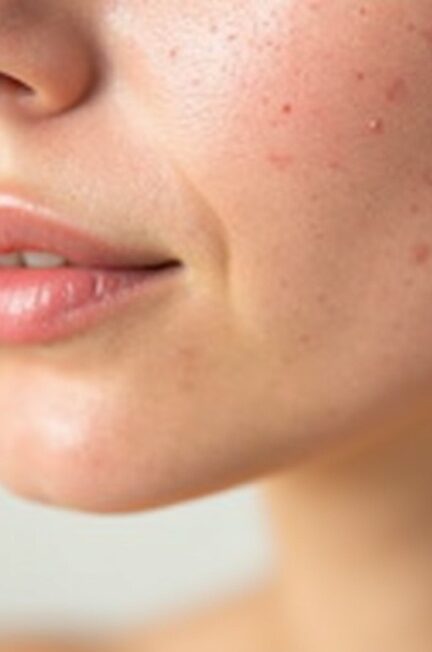
Acne is a skin condition that starts inside tiny pores. Each pore has a hair and a little oil gland under it. The oil is called sebum. Sebum keeps skin soft, but too much of it can clog pores. When a pore gets clogged with oil and dead skin cells, a bump forms. If bacteria grow in that blocked pore, the area gets red and sore. That is the start of a spot.
This happens to many people, especially during the teen years. Hormones rise during puberty. Those hormones tell oil glands to get bigger and make more oil. Some people have glands that react a lot. Others do not. That is why one person can have a few blackheads while another person gets painful cysts.
Why spots show up in the first place
Think of a pore as a tiny tube. The walls of that tube shed old skin cells every day. If those cells stick together, they mix with oil and form a plug. Air can reach the top of an open plug and turn it dark. That is a blackhead. If the plug stays under a thin layer of skin, the top looks white. That is a whitehead. When the plug swells and the body sends in fighter cells, you see a red, sore bump. If the swelling goes deep, it can turn into a nodule or a cyst.
Hormones are one driver. Androgens, which rise during puberty and around some menstrual cycles, push oil glands to pump harder. Stress can make hormones spike too. Certain makeup, thick sunscreens, or hair products can also clog pores, especially along the hairline. Sweat by itself does not cause acne, but sweat plus friction from a hat or mask can make breakouts worse on those spots.
Newer treatments aim at the oil glands directly. Some clinics now use a 1726-nm laser that targets oil glands; if the question in your head is does aviclear work, that guide explains the method in plain steps. The idea is simple: lower the extra oil at the source to help prevent future clogs.
Myths that make breakouts harder
Acne is not a sign of being dirty. Washing too often can strip skin and make it more upset. Two gentle washes a day are enough for most people. Popping spots may feel helpful, but it usually pushes oil and bacteria deeper. That can lead to more swelling and a higher chance of scars.
Food can play a role for some people. High-glycaemic foods that spike blood sugar may link to more breakouts for certain teens. Milk can be a trigger for others, especially skim milk. This is not true for everyone. A simple way to check is to track what is eaten and how skin behaves for a few weeks. If a clear pattern shows up, adjust that one thing rather than cutting many foods at once.
Sunlight does not fix acne. It may make red bumps look calmer for a short time, but sun damage builds up and can darken marks after spots heal. Daily sunscreen is still important. Use a non-comedogenic product so it will not clog pores.
The different kinds of spots and what they mean
Closed comedones, called whiteheads, are small bumps with a pale top. Open comedones, or blackheads, have a dark center that is just oxidized oil, not dirt. Papules are small, red, and tender. Pustules have a visible white or yellow tip. Nodules and cysts are deep and often painful. They tend to sit under the skin for weeks and can leave scars. Knowing which types are on the face or back can guide the right treatment plan.
If most spots are blackheads and whiteheads, the main problem is clogging. If many bumps are red and sore, inflammation is a bigger part. Deep cysts signal heavy oil production and strong swelling below the surface. These clues help decide which products or medicines make sense.
What actually helps
Gentle care comes first. A mild cleanser in the morning and at night helps remove sweat, dirt, and extra oil without stripping the skin. Pat dry. Do not scrub. A thin layer of a leave-on treatment can then do the real work.
Benzoyl peroxide kills acne-causing bacteria on the skin and helps stop new bumps. Start with a low strength once a day to avoid too much dryness. Salicylic acid helps loosen the plug inside pores since it can slide into oil and break it apart. Adapalene, a type of retinoid you can buy in many places, speeds up how skin cells turn over. That keeps pores from clogging in the first place. These products can sting at first. Use a pea-sized amount and build up slowly.
If over-the-counter products do not help after eight to twelve weeks, a doctor can add other options. Topical antibiotics may calm inflamed spots. Oral antibiotics are used for short periods to reduce swelling from the inside. Hormonal treatments such as certain birth control pills or spironolactone can lower oil production in people who get flares around periods. Isotretinoin is a strong medicine for severe acne or acne that keeps coming back. It shrinks oil glands long term but needs close monitoring.
Procedures can help, too. Dermatology clinics offer chemical peels, comedone extraction, and light or laser therapy. These can be useful for stubborn cases or when fast clearing is needed before a special event. A doctor can plan how often to do them and which ones fit the skin type. Clinics like Total Dermatology tend to specialize in providing these treatments, offering personalized plans that combine medications and procedures to achieve optimal results while minimizing side effects.
How long it takes to see change
Acne treatments need time. Skin renews itself on a cycle that takes weeks. Most plans start to show real change around week six. Full results can take twelve weeks or more. Swapping products every few days resets the clock. It is better to pick a simple plan and stick with it. Add one product at a time so the skin can adjust and it is easy to tell what helps.
During the first two to four weeks on a retinoid, small clogged pores may come to the surface. This “purge” looks like more spots but is part of clearing the blockages that already existed. Use a gentle, fragrance-free moisturizer to reduce dryness. A sunscreen rated SPF 30 or higher protects skin that may be more sensitive while treatments do their job.
It’s normal for the skin to take several weeks to show noticeable improvement, and some stubborn scars may not fully respond to topical treatments alone. In such situations, combining at-home care with professional evaluation can help achieve more significant results. For instance, experts like Dr. Michael Horn (available at lakeshoreplasticsurgery.com) can assess persistent acne scars and provide surgical solutions designed to improve texture and restore a smoother, more even appearance.
Everyday habits that support clear skin
Keep hands off the face as much as possible. Clean the phone screen and glasses often. Change pillowcases a few times a week, especially after sweaty days. Rinse hair products well and pull hair off the forehead during sleep. Pick makeup that says “non-comedogenic” on the label and remove it before bed. After sports, rinse sweat and apply treatment again if a doctor suggests it. These small steps cut down on new clogs and keep pores calmer.
Sleep and stress matter as well. Short sleep and high stress can shift hormones and raise inflammation. That mix can make breakouts worse. A steady sleep schedule, daily movement, and short breathing breaks during the day help the body handle stress better. Skin often follows.
When to ask for medical help
Professional help is wise if there are deep, painful cysts, if over-the-counter products have not worked after three months, or if acne is leaving marks or scars. A doctor can set up a plan that targets the main cause for that person’s skin. This may include a mix of topical treatments, a short course of pills, or a device-based option. Support for scars, such as microneedling or lasers, is also available once active acne is under control. For instance, a trusted professional like Dr. Sheila Nazarian can offer personalized guidance and treatments, including minimally invasive procedures and advanced skin therapies, to address acne and reduce scarring while supporting overall skin health.
No one needs to wait years and hope it passes. Early care can prevent scars and make day-to-day life easier, at school, at work, and in photos. Feeling comfortable in skin is not a small thing.
A simple plan that many people use
Start with a gentle wash in the morning. Pat dry. Use a thin layer of benzoyl peroxide on areas that break out, not only on visible spots. Apply a light, non-comedogenic moisturizer. Finish with sunscreen. At night, wash again and use a pea-sized amount of adapalene across the face. Follow with moisturizer. Keep this going for at least two months before judging results. If the skin gets too dry, use the active products every other day for a week, then increase again.
If red, sore bumps are still common, speak to a doctor about stronger options or a tailored mix. Bring notes on what has been tried and for how long. Clear, simple notes make it easier to choose the next step. Alternatively, if seeking advanced scar revision, laser resurfacing, or aesthetic reconstruction, it’s worth consulting a board-certified plastic surgeon who combines artistic results with surgical safety, for example Adam R. Kolker, MD, FACS Aesthetic & Reconstructive Surgery, who offers personalized treatment planning and both virtual and in-person consultations.
Key points to remember
Acne starts when pores clog and oil builds up. Hormones, stress, and some products can push this along. Good care treats the cause and keeps new clogs from forming. Gentle washing, proven leave-on treatments, patience, and smart habits form the base. Medical help is there for tougher cases. Long-term change is possible, and small daily choices add up.
Questions are welcome. Share what has been tried, what helped, and what still feels confusing. With the right plan and steady effort, skin can calm down and stay that way.