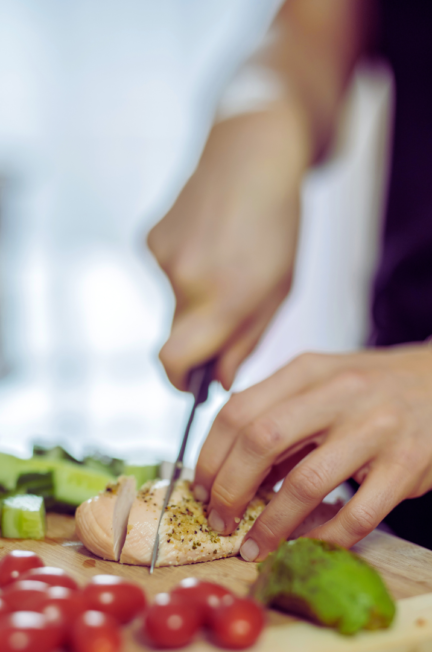
Breakfast is often considered the most important meal of the day, yet many people struggle to find the time to prepare healthy and nutritious options. Breakfast meal prep offers a practical solution by allowing individuals to prepare meals in advance, ensuring they start the day with sustenance that supports their health goals. This method not only saves time in the morning but also encourages better dietary choices.
Many people fall into the routine of quick, less nutritious breakfasts, leading to energy crashes and unhealthy snacking later. With breakfast meal prep, a variety of healthy breakfast choices can be prepared, such as overnight oats, smoothie packs, or egg muffins, providing balanced nutrition from the outset. Embracing this approach empowers individuals to take control of their mornings and fuel their bodies effectively.
By dedicating a little time to meal prep, breakfast can become an enjoyable and rewarding experience rather than a rushed obligation. The benefits extend beyond the kitchen, allowing for greater focus and productivity throughout the day.
The Essentials of Breakfast Meal Prep
Effective breakfast meal prep focuses on choosing the right ingredients and mastering techniques that simplify the process. Proper planning ensures nutritious meals that can boost energy levels and save time during busy mornings.
Selecting Nutrient-Dense Ingredients
Choosing nutrient-dense ingredients is key to a successful breakfast meal prep. Incorporating protein-rich foods, such as eggs, Greek yoghurt, and cottage cheese, can keep individuals satisfied and energised throughout the day.
Chia seeds are another excellent addition, offering healthy fats and fibres. They can be easily mixed into smoothies or overnight oats.
When selecting grains, opt for whole grains like oats or quinoa for added fibre. Seasonal fruits and vegetables also provide essential vitamins and can make meals more varied and appealing.
Understanding Meal Prep Techniques
Mastering meal prep techniques can make breakfast preparation efficient. Batch cooking is an effective method, where larger quantities of specific ingredients are prepared at once, like cooking multiple servings of oatmeal or baking a batch of muffins.
Using meal containers can also help in organising portions for the week. Glass containers are preferred due to their durability and the ability to microwave without chemical leaching.
Another technique is preparing overnight oats, where ingredients are combined and left to soak overnight. This method not only saves time but also enhances flavour and texture. Keeping a rotation of recipes can keep breakfast exciting while ensuring nourishment.
Popular Breakfast Meal Prep Ideas
Meal prepping for breakfast can streamline mornings and ensure nutritious options are readily available. The following ideas offer both savoury and sweet choices to suit various tastes.
Savoury Options for Sustenance
Savoury breakfast meal prep ideas are perfect for those who prefer hearty meals to start their day.
Breakfast Burritos: These can be filled with scrambled eggs, black beans, cheese, and vegetables. Wrap them securely in foil, and they can be easily reheated for a filling breakfast.
Breakfast Casserole: This dish combines eggs, diced vegetables, and protein like sausage or ham. It can be baked in a large dish and cut into portions, making it ideal for multiple servings.
Hard-Boiled Eggs: A classic choice, they are simple to prepare in bulk. They can be stored in the fridge and eaten alone or added to salads for extra protein.
Sweet Breakfast Treats
Sweet options can satisfy those craving something a little indulgent in the morning.
Yoghurt Parfaits: These consist of layers of yoghurt, granola, and fresh fruit. They can be pre-portioned in jars, allowing for a quick grab-and-go breakfast.
Overnight Oats: Combining rolled oats, milk or yoghurt, and toppings, these can be prepared the night before. Various toppings, such as nuts and fruits, add flavour and texture.
Smoothie Bowls: Blending fruits with a base such as yoghurt or almond milk creates a thick smoothie. Toppings can include seeds and sliced fruit, providing both nutrition and a pleasing presentation.
Special Dietary Requirements
Breakfast meal prep can accommodate various dietary needs, ensuring everyone enjoys nutritious options. Awareness of specific requirements, such as gluten-free or vegetarian preferences, leads to satisfying meals that align with individual lifestyles.
Gluten-Free Breakfast Preparations
For those avoiding gluten, breakfast options need careful selection. Popular gluten-free choices include:
- Chia Pudding: This dish uses chia seeds soaked in almond milk, and topped with fruits like berries or sliced banana. The texture is creamy and fulfilling.
- Quinoa Breakfast Bowl: Cooked quinoa mixed with nuts, dried fruits, and a drizzle of honey delivers essential nutrients.
- Vegetable Omelette: Eggs filled with spinach, mushrooms, and cheese provide a protein-packed start to the day.
When meal prepping, storing gluten-free items separately is important to prevent cross-contamination. Always read labels carefully to ensure other ingredients meet gluten-free standards.
Vegetarian and Whole30-Friendly Recipes
Vegetarian breakfast options can easily fit into Whole30 guidelines, offering a variety of flavours and nutrients. Key recipes include:
- Avocado Toast: Made with wholegrain or gluten-free bread, this dish can be topped with sliced tomatoes and pumpkin seeds for added texture and nutrition.
- Smoothie Bowls: Blending spinach, kale, and banana creates a nutrient-rich base, which can be garnished with nuts and seeds.
- Stuffed Sweet Potatoes: Sweet potatoes filled with black beans, avocado, and salsa make a hearty meal.
These meals support a balanced diet, with plenty of vegetables, healthy fats, and proteins, ensuring individuals receive proper nutrients while avoiding processed foods.
Efficient Organisation and Storage
Proper organisation and storage are crucial for successful breakfast meal prep. Effective strategies not only ensure food safety but also enhance the freshness and flavour of prepared items.
Best Practices for Food Safety
Maintaining food safety during breakfast meal prep is essential. One key practice is to keep perishable ingredients such as eggs and dairy products at temperatures below 5°C. Storing meal prep items in airtight containers helps to prevent contamination.
When preparing meals like breakfast egg muffins or breakfast sandwiches, it is vital to label containers with the date of preparation. This helps track freshness. Pre-cooked items should be consumed within three to four days to ensure safety.
Always wash hands and surfaces thoroughly before handling food. Using separate cutting boards for raw ingredients and cooked items minimises the risk of cross-contamination.
Maximising Freshness and Flavour
To maximise freshness, individual components of meals can be prepped separately. For example, preparing peanut butter banana baked oatmeal cups can be done ahead, while fresh fruit can be added on the day of consumption.
Utilising freezer-safe containers allows for longer storage without compromising quality. Breakfast sandwiches can be assembled and frozen, keeping bread from becoming soggy.
Herbs and spices can significantly enhance flavour; adding them just before serving will keep the taste vibrant. Store fresh herbs in water or wrap them in a damp cloth and place them in a bag to maintain freshness for longer.
Adopting these efficient organisation and storage methods will greatly improve the breakfast meal prep experience.


